
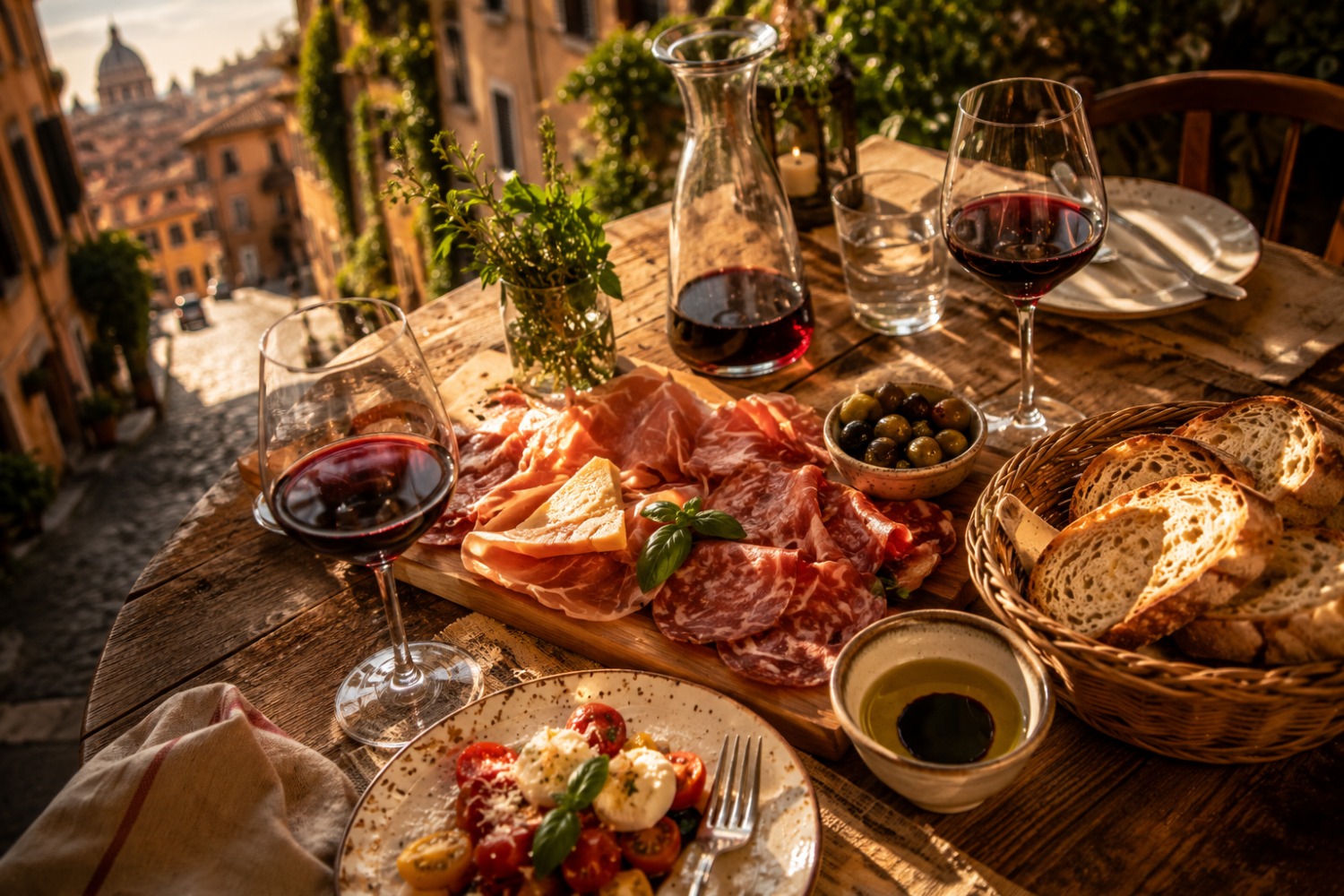
Rome rewards travelers who eat and drink their way through it, but not every tour delivers on that promise.
I’ve spent years testing the operators, guides, and formats that actually get you into real kitchens, real vineyards, and real neighborhoods, not just the tourist-trap versions with mediocre pours and rehearsed scripts.
This guide rounds up every category of rome food and wine tours worth your time, from classic wine tastings to day trips into Tuscany and Frascati, so you can pick the experience that matches how you actually want to spend your time in the city.
7 Best Rome Wine Tours (2026 Reviews)
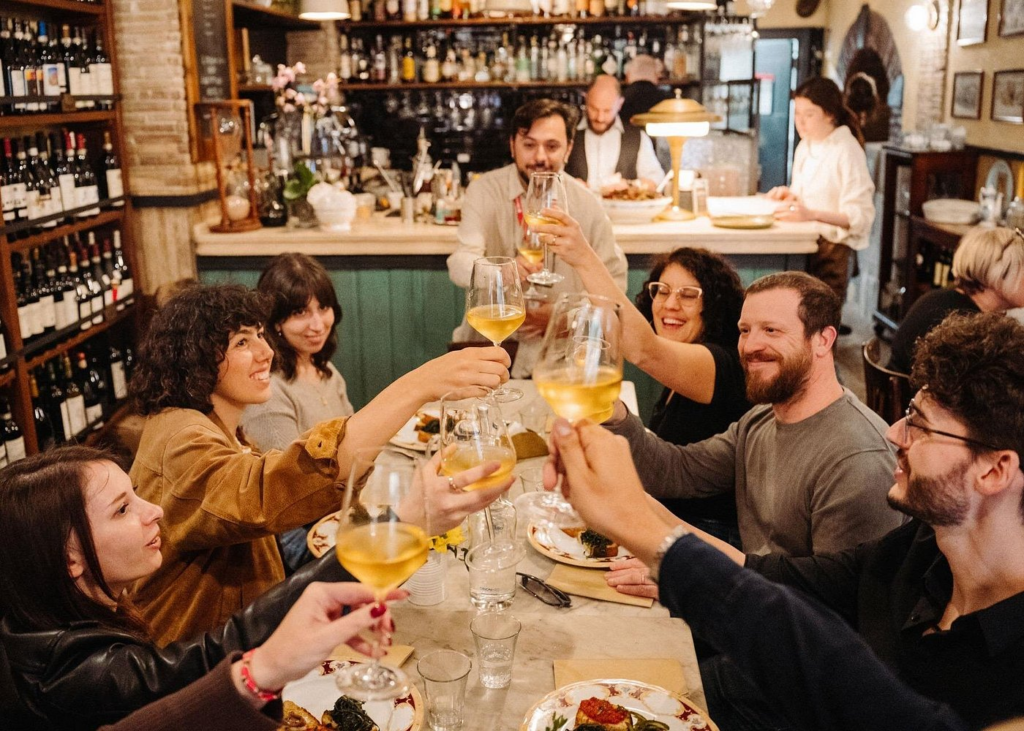
Let’s start with the format most travelers ask about first. A proper Rome wine tour should get you into at least three distinct pours, ideally from different regions, with a guide who can explain what you’re tasting and why it matters, not just refill your glass and move on. If you’re expecting a rushed pub crawl with wine instead of beer, you’ll be disappointed, and you should skip straight to the street food list below instead.
What separates the good operators from the forgettable ones comes down to three things: group size, venue quality, and whether food is paired in rather than tacked on. The best rome wine tours cap groups around eight to ten people, which keeps the pace conversational and gives you actual access to the guide instead of shouting questions over a crowd. Venues matter too. A wine bar with a rotating list beats a tourist restaurant with a laminated menu every time, and I call this out specifically in the full review.
Expect two to three hours on your feet or seated across two to three stops, with cheese, cured meat, or small bites included at most reputable operators. Pricing generally lands in the 60 to 90 euro range for a shared tour, and that’s fair for what you get if the operator is legitimate.
This one is best suited for travelers who want a structured introduction to Italian wine without committing to a full day trip, and who’d rather learn something than just drink. If you already know your Barolo from your Brunello, some of the entry-level commentary may feel basic, and that’s worth knowing going in.
Read the full breakdown of the best Rome wine tours
7 Best Rome Food Tours (2026 Reviews)
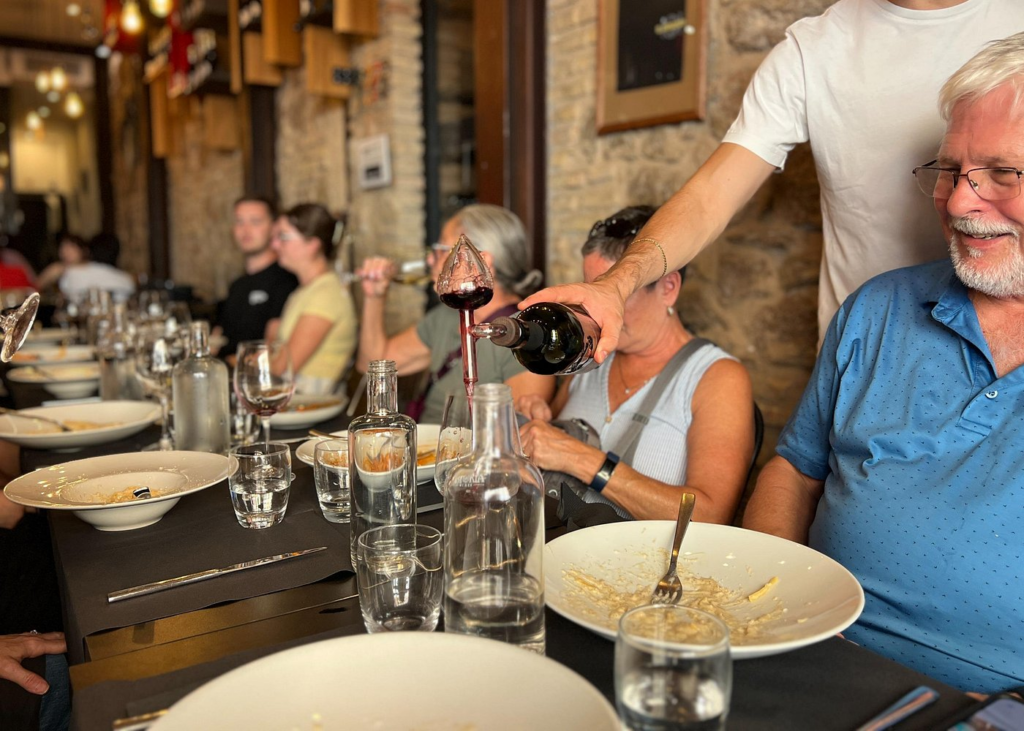
A rome food tour is the single best way to eat well in this city on your first visit, full stop. The reason is simple: Rome’s best food isn’t concentrated in one obvious district the way it is in some cities, and a good guide saves you from wasting meals on mediocre restaurants near the major sights.
Front-loading the practical details here because they matter. Expect three to three and a half hours, six to eight stops, and enough food that you should skip breakfast and lunch beforehand. Group sizes at the better operators stay under twelve, and pricing typically runs 90 to 120 euros per person depending on how much wine is included alongside the food.
What you should actually expect, stop by stop, is a mix of classic Roman dishes: cacio e pepe or carbonara at a proper trattoria, supplì from a fried-food specialist, pizza al taglio, and usually a gelato stop to close things out. The good operators route you through neighborhoods like Trastevere or the Jewish Ghetto rather than sticking to streets packed with other tour groups, and that routing choice alone tells you a lot about whether an operator has done their homework.
Where these tours disappoint is when the “local” framing is marketing rather than reality, with stops at restaurants that clearly cater to tour groups rather than neighborhood regulars. I call this out directly in the full reviews so you know which operators to trust.
This format suits first-time visitors who want an efficient, guided introduction to Roman cuisine without researching restaurants themselves. If you’re already a confident independent eater who likes discovering places on your own, you may get more value putting that budget toward a cooking class instead, where you walk away with a skill rather than just a meal.
See the complete list of Rome food tours
7 Best Cooking Classes in Rome (2026 Reviews)
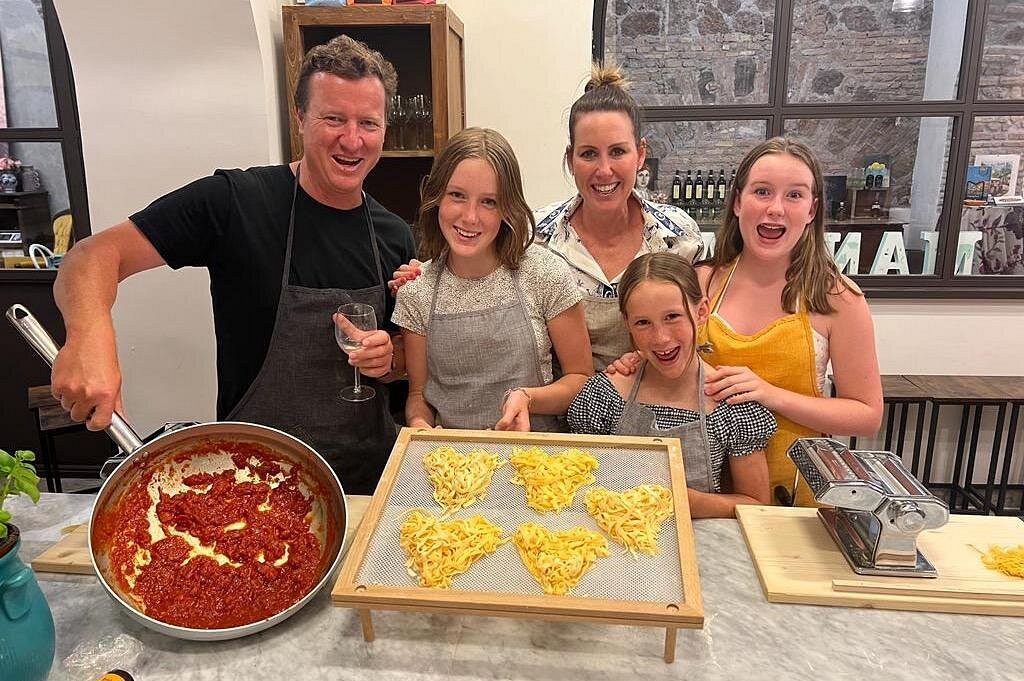
Cooking classes in rome solve a different problem than a food tour does. Instead of eating what someone hands you, you’re learning to make it, and that distinction matters if you actually want to bring something home from this trip beyond photos.
The best classes run three to four hours and include a market visit at the start, which is non-negotiable in my book. If a class skips the market and just hands you pre-portioned ingredients, you’re paying for a cooking demonstration dressed up as a class, and I’ll flag that clearly wherever it applies. Expect to make two to three courses, typically fresh pasta as the centerpiece alongside an appetizer and dessert, finishing with a sit-down meal of everything you cooked, wine included.
Pricing runs higher than a food or wine tour, generally 100 to 160 euros per person, because you’re paying for hands-on instruction and a smaller group. Class sizes matter enormously here. Anything over twelve people and you’re not really cooking, you’re watching a chef cook while occasionally stirring something. The operators worth booking keep groups to eight or fewer, ideally in a real home kitchen or a small culinary studio rather than a commercial event space.
If you’re expecting restaurant-level technique in a three-hour class, you’ll be disappointed. What you’re actually getting is a solid foundation in a few classic dishes and enough confidence to attempt them again at home. That’s a fair trade for the price if the operator delivers on instruction quality.
This is the right pick for hands-on travelers, couples looking for a memorable shared activity, or anyone who’s tired of food tours and wants a more immersive afternoon. Solo travelers do well here too, since the shared cooking and communal meal naturally create conversation with other guests.
Browse the top cooking classes in Rome
7 Best Rome Food Bike Tours (2026)
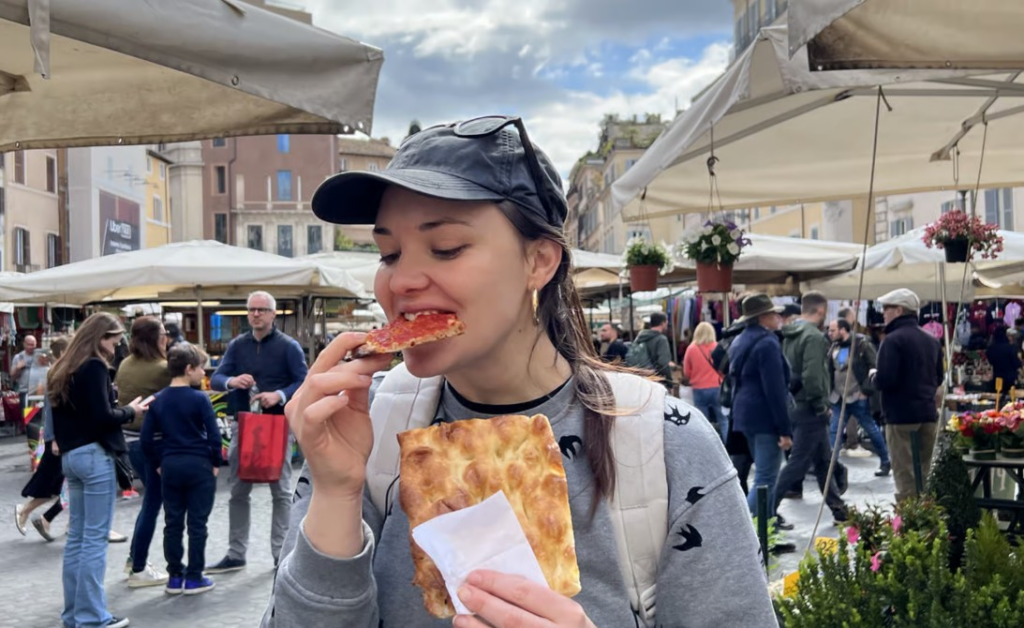
A rome food bike tour covers more ground than a walking food tour in the same amount of time, which is the entire appeal. You’re typically looking at four to six kilometers of riding across three to four hours, hitting neighborhoods a walking tour simply can’t reach on the same schedule, like Testaccio or the Appian Way.
On the bike side of things, expect comfort or hybrid bikes provided by the operator, not road bikes, and routes that stick to bike lanes, parks, and low-traffic streets rather than weaving through Rome’s more chaotic intersections. A reputable operator does a basic fit check before you set off and keeps the group riding at a pace the slowest rider can sustain. If a company hands you a bike with no adjustment and no safety briefing, that’s a red flag worth walking away from, and I note which operators handle this properly in the full reviews.
Food-wise, expect four to six stops woven into the ride rather than clustered at the start, which keeps energy up and prevents the sluggish, overfull feeling you sometimes get on a purely walking tour. Classic stops include a bakery, a cheese shop, a proper Roman lunch stop, and usually gelato near the end. Pricing sits around 80 to 110 euros per person, bike rental included.
This format works best for travelers who are reasonably fit, comfortable riding in a city environment, and want to cover more territory than a walking tour allows. If you have any hesitation about city cycling, or you’re traveling with young kids, this isn’t the tour for you, and I’d point you toward the standard walking food tour instead. Confident cyclists who want maximum ground covered per euro will get the most out of this one.
Check out the best Rome food bike tours
7 Best Rome Street Food Tours (2026)
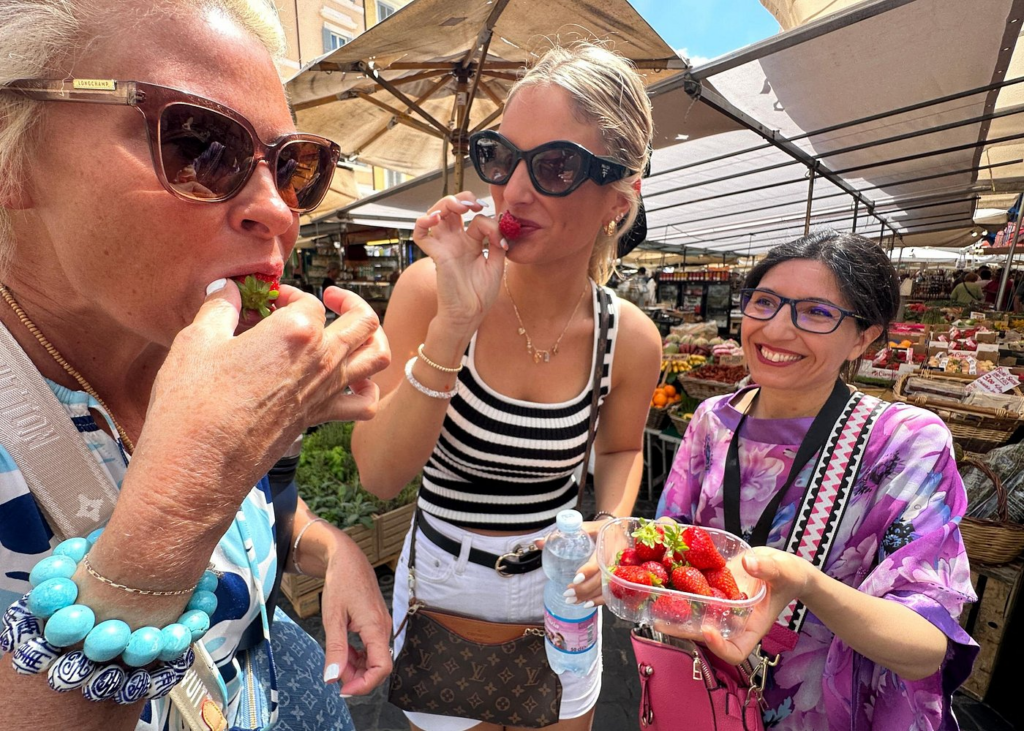
Rome street food tours are the budget-conscious, faster-paced cousin of a full sit-down food tour, and for the right traveler, that’s exactly the point. Instead of restaurant courses, you’re grabbing quick bites at counters, stalls, and hole-in-the-wall spots, moving through more stops in less time.
Expect two and a half to three hours, six to nine stops, and a pace that keeps moving rather than settling in anywhere for long. This is standing and walking food, eaten on the go, not a seated multi-course experience. Classic stops include trapizzino, fried artichokes, pizza al taglio, and porchetta sandwiches from vendors who’ve been doing this for decades. Pricing tends to run lower than a full food tour, generally 55 to 80 euros, which reflects both the shorter format and the lower cost of street food versus restaurant courses.
Where operators earn their money here is local knowledge. Anyone can point you at a well-reviewed pizza counter. A good guide gets you to the stall that locals actually queue at, explains the history behind a dish like trapizzino, and times the route so you’re not standing outside a closed shop during riposo. If a street food tour feels interchangeable with a generic city walking tour that happens to stop for snacks, that operator hasn’t done the work, and I’ll say so plainly in the reviews.
This is the right call for travelers on a tighter budget, anyone short on time, or people who genuinely prefer grazing over sit-down meals. If you want the leisurely, multi-course experience with proper seating and wine pairings, book the full food tour instead. Street food tours suit energetic eaters who’d rather sample eight things quickly than linger over three.
Explore the best Rome street food tours
5 Best Rome Vespa Food Tours (2026)
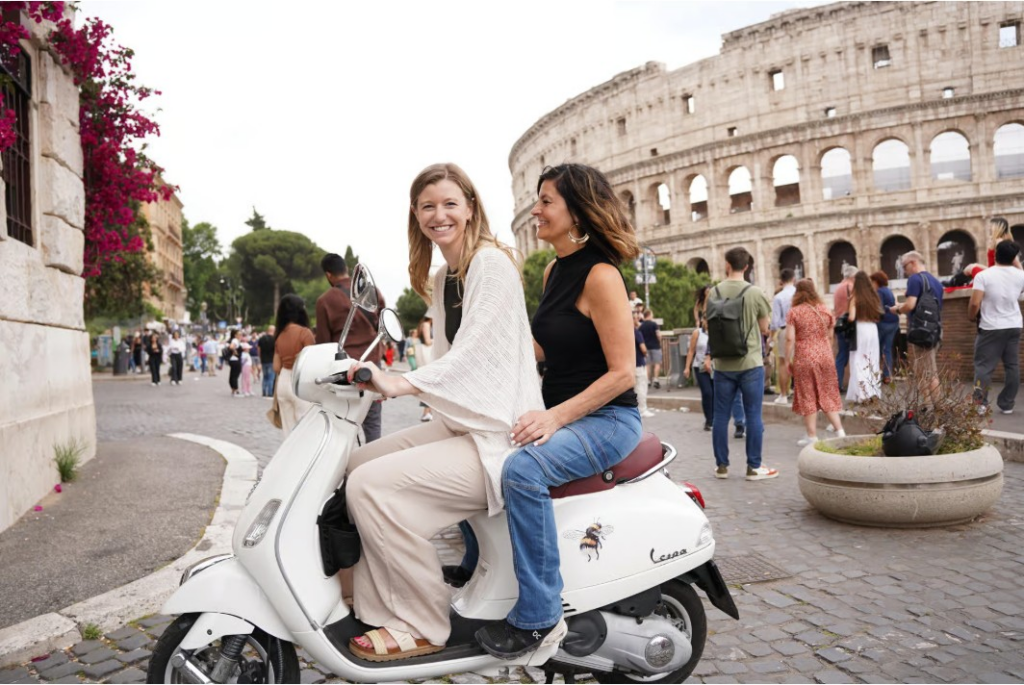
A rome vespa food tour is a niche format, and it’s worth being upfront about that. You’re paying a premium for the novelty and the views, not primarily for the food, so set your expectations accordingly. If you’re booking this purely to maximize food per euro, one of the walking or bike tours above will serve you better.
That said, for the right traveler this is genuinely one of the most memorable few hours you can spend in Rome. Expect three to four hours split between riding as a passenger, either behind your guide or in a sidecar, and stopping at three to five food and wine locations, often with views you simply can’t get on foot, like an overlook of the city from the Gianicolo hill. Pricing reflects the specialty nature of the experience, generally running 130 to 180 euros per person, noticeably higher than a comparable walking or bike tour.
A legitimate operator uses licensed, insured drivers and modern or well-maintained vintage-style Vespas, not a fleet of scooters that look charming but haven’t been serviced properly. Ask about this directly before booking if it isn’t clearly stated. Group sizes stay small by necessity, usually two to six vespas total, which means a more personal pace than a larger walking tour.
This tour suits couples celebrating something, photography-minded travelers who want the iconic Vespa-through-Rome shot, and anyone prioritizing a singular experience over efficient food coverage. If motion sickness, mobility concerns, or a tight budget are factors, this isn’t your tour, and there’s no shame in choosing one of the walking options instead.
See the top Rome Vespa food tours
5 Best Wine Tastings in Rome (2026)
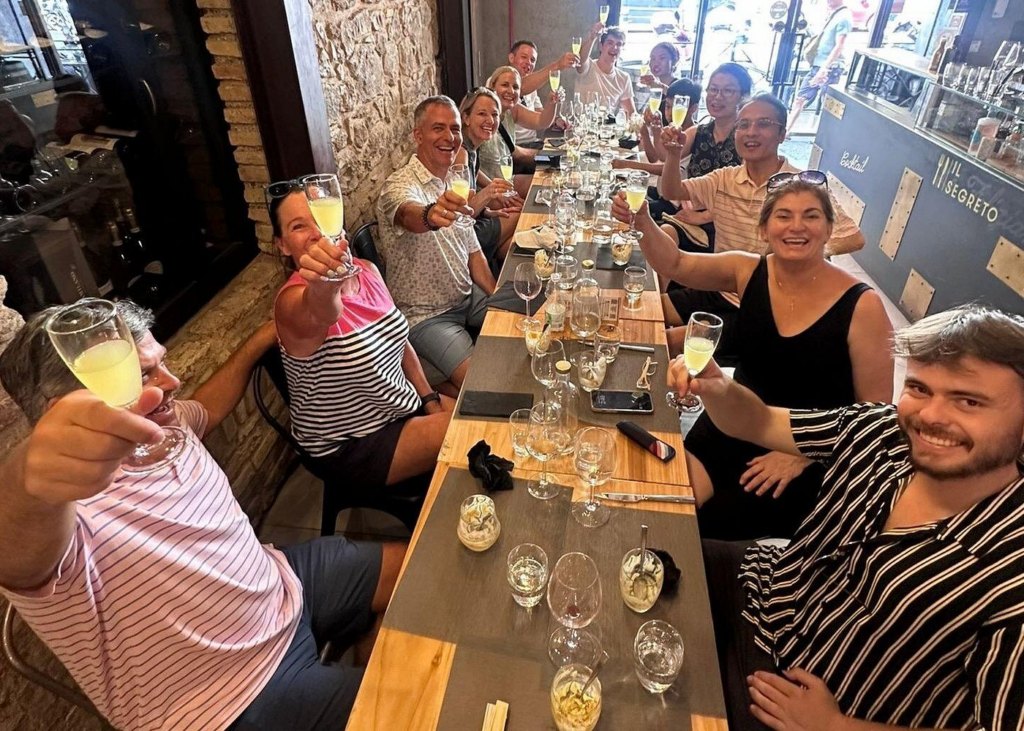
Wine tasting rome experiences differ from a full wine tour in one key way: you’re staying in one location rather than moving between venues, which suits a different kind of traveler entirely. If you want movement and multiple neighborhoods, book the wine tour instead. If you want to sit down, focus, and actually learn to taste properly, this is your format.
Expect ninety minutes to two hours at a single enoteca or wine bar, working through four to six pours guided by a sommelier or knowledgeable staff member. The best tastings organize the flight with intention, moving from lighter whites to fuller reds, or focusing on a specific region like Lazio or Tuscany, rather than just pouring whatever’s open behind the bar. Cheese and cured meat pairings are standard and should be included in the price, which typically runs 45 to 75 euros per person depending on the caliber of wines poured.
What I look for in a strong wine tasting is a guide who explains structure, acidity, and tannin in plain language rather than showing off with jargon that leaves you more confused than when you started. If a tasting feels like a lecture rather than a conversation, that’s a mark against the operator, and I note it directly in the reviews.
This format is ideal for travelers who want a focused, seated introduction to Italian wine without a multi-hour commitment, and for anyone recovering from a long day of sightseeing who wants to sit down for a while. If you’re hoping to explore several venues and see more of the city while you drink, the full wine tour will serve you better than a single-location tasting.
Compare the best wine tastings in Rome
5 Best Rome Market Tours (2026)
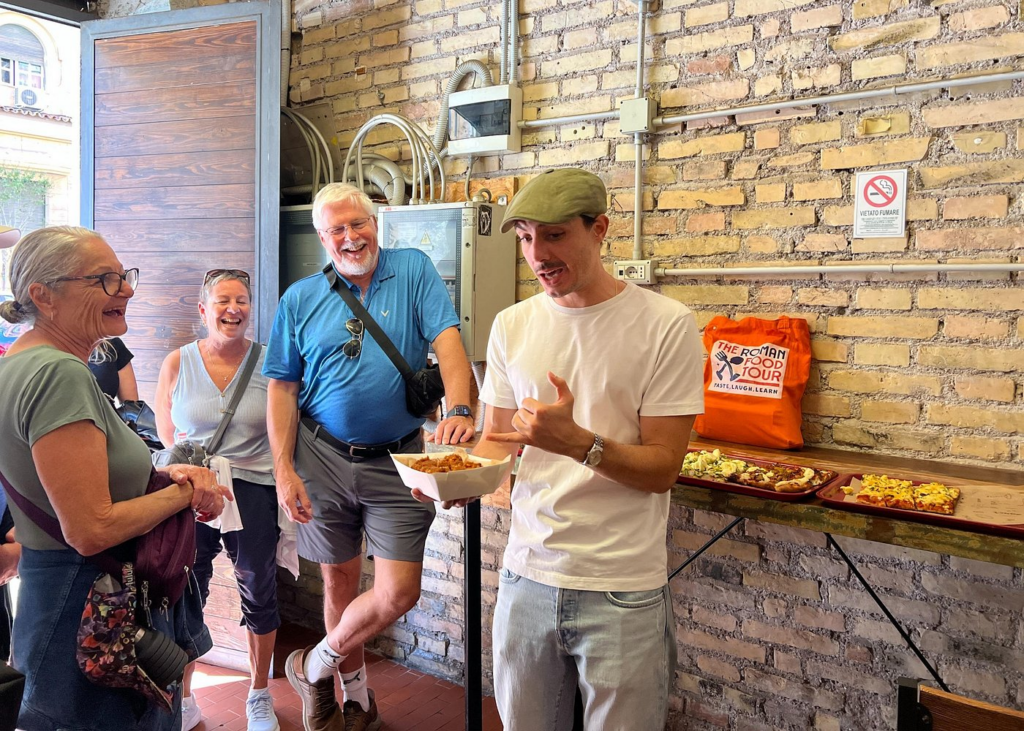
Rome market tours are the most authentic, least performative option on this list, and I say that as a compliment. You’re walking through a working market where locals actually shop, not a curated experience built for tourists, and that changes the entire tone of the visit.
Expect two to two and a half hours, usually starting early, between 9 and 10am, before the market gets crowded and before vendors sell out of the best produce. Testaccio Market and Campo de’ Fiori are the two most common bases, and each has a different character worth knowing about going in. Testaccio leans local and working-class in the best sense, with vendors who’ve held the same stall for generations. Campo de’ Fiori is more tourist-facing but still delivers strong food and produce if your guide knows which stalls to prioritize.
A good market tour includes tastings woven throughout, cheese, cured meat, fresh produce, sometimes a coffee stop, and typically wraps with a small meal or a hands-on cooking element at select operators. Pricing runs 65 to 95 euros per person for a guided tasting tour, more if a cooking component is included.
Where this differs from a straight food tour is pace and depth. You’re not just eating, you’re learning how Romans actually shop and cook day to day, which appeals strongly to travelers who’ve already done a food tour and want something with more texture. If you’re looking purely for maximum food volume in minimum time, the street food tour will satisfy that better. Market tours suit curious, slower-paced travelers, early risers, and anyone who wants a genuine slice of daily Roman life rather than a highlight-reel experience.
Discover the best Rome market tours
7 Best Wine Tours from Rome (2026)
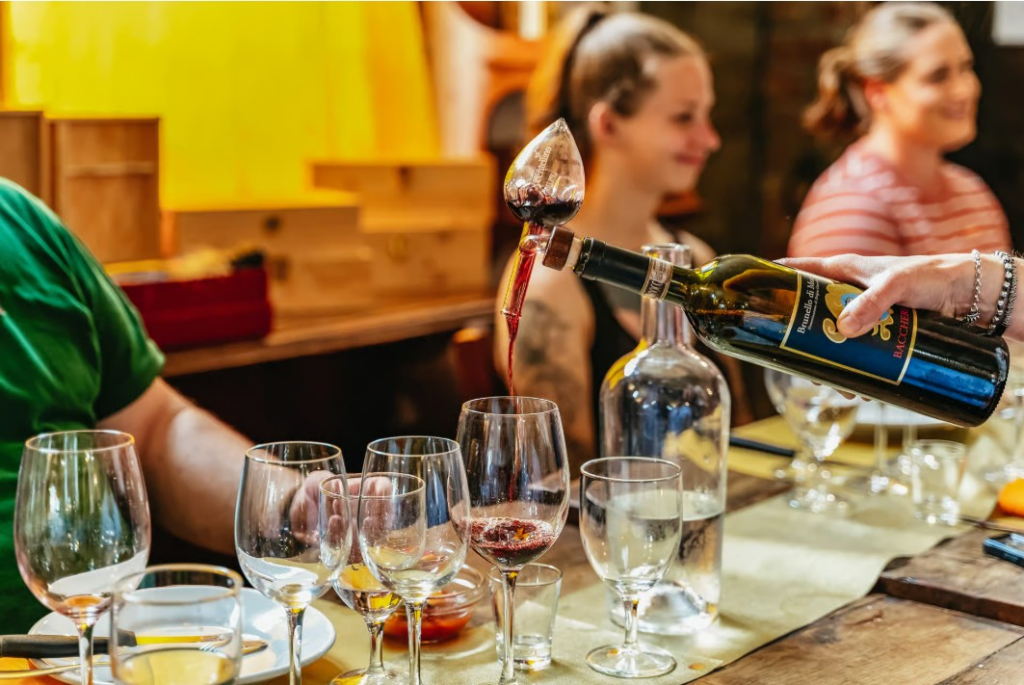
Wine tours from rome take you outside the city entirely, and that’s the whole draw. If your schedule only allows for in-city experiences, skip to the wine tastings or in-city wine tours above. But if you have a full day free, leaving Rome gets you to actual vineyards, actual winemakers, and a completely different pace than anything available within the city limits.
Expect a full day, generally eight to ten hours door to door, with round-trip transport included from central Rome. Most operators visit two wineries, occasionally three, with tastings of four to six wines per stop plus a proper lunch, either at the winery or a nearby local restaurant. Pricing reflects the full-day commitment, typically running 140 to 200 euros per person including transport, tastings, and lunch.
The regions covered vary by operator, and this matters more than people expect. Some tours head into the Roman countryside itself, others push into southern Tuscany or the Castelli Romani hills, and the wine character differs meaningfully between them. A good operator tells you exactly which region and which wineries you’re visiting before you book, not vaguely “the countryside.” If an operator is cagey about specifics, that’s worth a second look before handing over your money.
This is the right choice for wine-focused travelers with a full day to spare and no other must-see sights competing for that time. If you’re trying to fit in the Vatican, the Colosseum, and a wine day trip all in one visit, be realistic about your schedule, because this is not a half-day add-on. Groups traveling together who want a relaxed, scenic day away from the city crowds get the most value here.
Browse the best wine tours from Rome
5 Best Tuscany Wine Tours from Rome (2026)
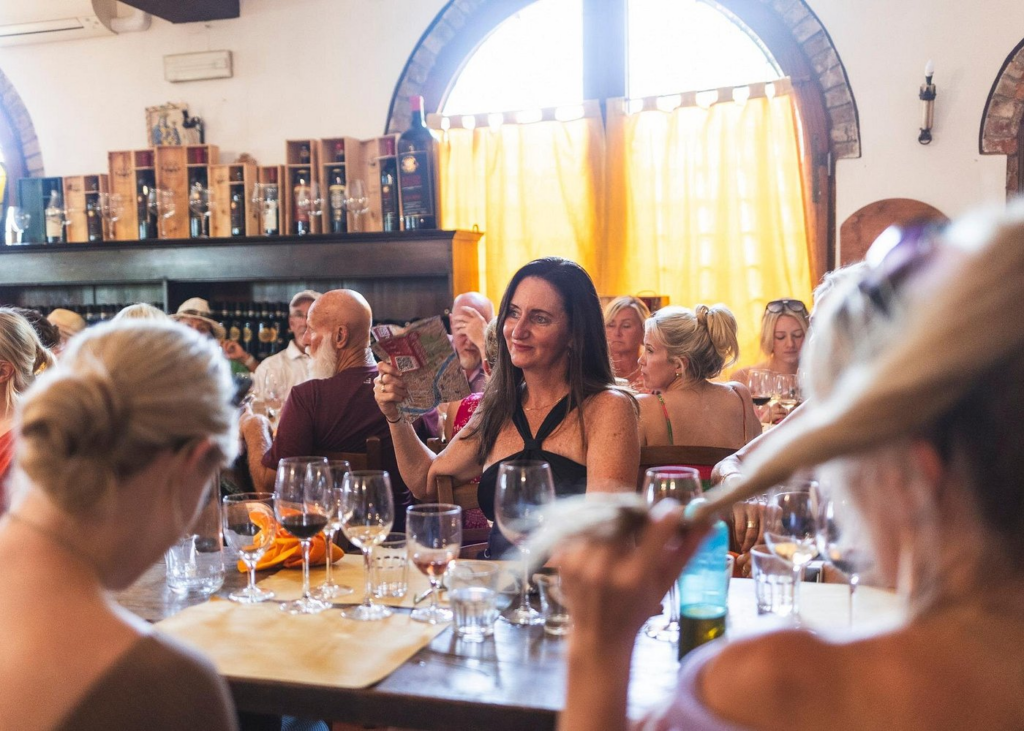
Tuscany wine tours from rome are a specific subset of the broader day trip category above, and they deserve their own consideration because Tuscany’s wine regions, Chianti in particular, carry a reputation that draws travelers specifically for that name recognition. If you want variety across regions, the general wine tours from Rome will serve you better. If Tuscany specifically is the draw, this is your list.
Expect a long day, ten to eleven hours round trip given the distance, roughly ninety minutes to two hours each way depending on traffic and exact destination. That travel time is worth being upfront about, because it eats into the actual on-the-ground experience more than a closer day trip would. Once there, expect two winery stops in Chianti or the surrounding hills, tastings of five or more wines, and a lunch stop, often at a working farm or agriturismo with views that justify the drive.
Pricing runs at the higher end for day trips, generally 160 to 220 euros per person, reflecting both the distance and the premium associated with the Chianti name. Small-group and shared minivan options both exist, and I break down which operators offer which in the full reviews, since group size significantly affects the pace and personal attention you get from the winemakers themselves.
If you’re expecting a quick, low-commitment outing, you’ll be disappointed, this is a full-day investment of both time and budget. But for travelers who’ve specifically dreamed of Tuscan vineyards, rolling hills, and the classic postcard version of Italian wine country, few day trips from Rome deliver that image as completely. This suits wine enthusiasts and first-time Italy visitors who want to say they’ve seen Tuscany, even briefly, more than it suits budget or time-constrained travelers.
See the top Tuscany wine tours from Rome
5 Best Frascati Wine Tours from Rome (2026)

A frascati wine tour is the practical alternative to the Tuscany day trip, and honestly, it’s the one I recommend most often when someone asks me directly. Frascati sits just twenty to thirty minutes outside Rome in the Castelli Romani hills, which means you get an authentic countryside wine day without sacrificing most of your day to travel time.
Expect a half-day format, four to six hours total, which leaves your morning or evening free for other Rome sightseeing on the same day. That flexibility alone sets it apart from every other day-trip option on this list. Most operators visit one or two wineries in the DOC Frascati zone, with tastings of four to five wines, typically whites given the region’s specialty, paired with local cheese, cured meats, and porchetta, a Castelli Romani specialty worth trying on its own merits.
Pricing sits noticeably lower than the full-day Tuscany or general countryside options, generally 70 to 100 euros per person including transport, which makes this the most budget-friendly of the day-trip category by a clear margin. Small-group tours dominate here, typically six to twelve people, given the shorter distance and lower operational cost involved.
If you’re chasing the specific reputation of Chianti or Montepulciano, Frascati won’t scratch that itch, and the Tuscany tour above is the better call despite the added time. But if you want a genuine countryside wine experience without losing most of your day, Frascati delivers real value and real quality without the premium price tag. This suits travelers with limited time in Rome, budget-conscious wine lovers, and anyone who wants a taste of the countryside without committing to a marathon day trip.
Check out the best Frascati wine tours
Which Tour Is Right for You?
- Short on time, want maximum food: Rome Street Food Tours or Rome Food Bike Tours
- First visit, want a structured intro to Roman cuisine: Rome Food Tours
- Want to learn a skill, not just eat: Cooking Classes in Rome
- Want wine without leaving the city: Rome Wine Tours or Wine Tastings in Rome
- Have a full day and want real vineyards: Wine Tours from Rome, Tuscany Wine Tours, or Frascati Wine Tours
- Tight on time but still want countryside wine: Frascati Wine Tours from Rome
- Want the iconic Chianti postcard experience: Tuscany Wine Tours from Rome
- Want a memorable splurge with a view: Rome Vespa Food Tours
- Want to see how locals actually shop and eat: Rome Market Tours
- Confident cyclist who wants to cover more ground: Rome Food Bike Tours
Frequently Asked Questions
1. How far in advance should I book a Rome food or wine tour? Book at least two to three weeks ahead for peak season (April through October), and up to six weeks ahead for popular small-group cooking classes or Vespa tours, since these sell out fastest. Off-season travelers can often book with just a few days’ notice.
2. What’s the typical price range for these tours? In-city tours run roughly 45 to 130 euros per person depending on format, while full-day trips outside Rome typically cost 140 to 220 euros per person including transport and meals.
3. Are group tours or private tours better? Group tours are more affordable and often more social, while private tours give you a flexible schedule and more one-on-one guide attention. If dietary restrictions or mobility needs are a factor, a private tour is usually worth the extra cost.
4. What’s included in the price of a typical food or wine tour? Most tours include all tastings or food stops, a guide, and any transport specified in the listing. Gratuity, additional drinks beyond the included pours, and personal purchases are typically extra unless stated otherwise.
5. Is it better to visit Rome’s food and wine spots independently instead of booking a tour? Independent exploration works if you already know the city or enjoy researching restaurants yourself, but a good guide saves time and gets you into places you wouldn’t find on your own, particularly for wine regions outside the city.
6. Do I need to worry about dietary restrictions on these tours? Most reputable operators can accommodate vegetarian requests with advance notice, though vegan and severe allergy accommodations vary by operator and should be confirmed directly before booking.
7. What’s the best time of year for wine tours from Rome? Late September through October is ideal for visiting during harvest season, though the wine regions around Rome are enjoyable April through November. Summer day trips can be hot, so morning departures are worth prioritizing.
8. Are these tours accessible for travelers with mobility limitations? Walking-based food and market tours involve significant time on foot over uneven cobblestone streets, which can be difficult for some travelers. Wine tastings, seated tours, and select day trips with vehicle transport are generally more accessible options.
9. Can I do more than one of these tours in the same trip? Yes, and many travelers do. A common combination is a food tour or cooking class early in the trip followed by a countryside wine day trip later on, spacing them out so you’re not overloaded on any single day.
10. Which tour is best for someone visiting Rome for the first time with limited time? A half-day food tour or a Rome wine tasting gives you the most efficient introduction to Roman food and wine culture without requiring a full day away from major sights like the Colosseum and Vatican.
Rome doesn’t need embellishment to sell itself on food and wine, it just needs the right operator putting you in front of the real thing. Whichever format fits your schedule and budget, use the individual reviews linked above to compare specific operators before you book, since the difference between a forgettable tour and a memorable one usually comes down to the guide, not the itinerary.
How We Select the Best Tours & Products
At Eat Drink Travel, we carefully select tours & products based on quality, authenticity, traveler feedback, expert insights, and ethical standards.
👉 Learn more: How We Select the Best Tours & Products.

