Florence Food and Wine Tours Guide (2026) – Best Experiences and Tastings

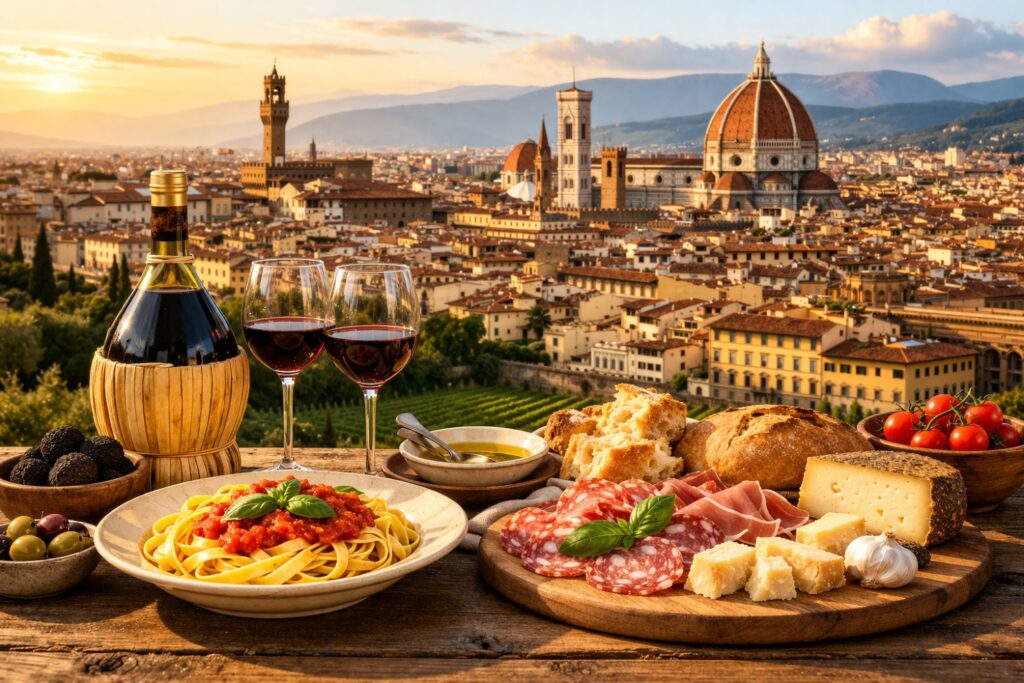
Growing up in Naples, I thought I understood Italian food. I thought I understood it completely. Then I spent a week eating and drinking my way through Florence, and I had to quietly revise that opinion.
Not abandon it, mind you, I am still Neapolitan and we have our pride, but revise it. Florence does things with food and wine that stopped me in my tracks more than once, and I have eaten my way through sixty-plus countries at this point. This city earns its reputation.
Florence sits at the heart of Tuscany, which means it sits at the heart of one of the world’s great food and wine regions. Chianti is practically on the doorstep. The Arno valley produces some of the finest olive oil you will ever taste.
The markets overflow with porcini, truffles, aged pecorino, and bistecca so thick it barely fits on the plate. And the wine, the wine is everywhere and it is serious. You do not come to Florence and eat badly. You have to work at it to eat badly here.
What this guide does is help you cut through the options. Tours of Florence in the food and wine category range from two-hour market walks to full-day private estate experiences deep in Chianti, and everything in between: cooking classes, food tours, wine tastings, market walks, truffle hunts, Vespa adventures, and private experiences designed for people who want something more personal.
Each one suits a different kind of traveler, a different budget, a different mood. I have pulled together everything you need to know so you can choose well, book smart, and arrive hungry.
Types of Food and Wine Experiences in Florence
Before you start booking, it helps to know what your options actually are. Florence is not short of culinary experiences, but they are not all the same thing, and they do not all suit the same person.
Cooking classes are for people who want to take something home beyond photos and a full stomach. You get hands-on time in a real kitchen, usually learning fresh pasta, ribollita, or Florentine classics, and you leave with skills you can actually use.
Food tours focus on eating your way through the city, hitting markets, artisan producers, and historic neighborhoods with a guide who knows exactly where to stop. Market tours are a more intimate version of that, centered on the daily rhythm of Florentine food shopping and the people who sustain it.
Wine experiences split neatly between in-city tastings and countryside excursions. Florence wine tours keep you in or near the city, usually pairing wine with food in a cellar or enoteca. Day trips out to Chianti, Tuscany broadly, or specific wine estates take you into the landscape that produces what you are drinking, which changes the experience entirely.
Then there are the specialty options: truffle hunting in the hills, Vespa tours that combine countryside riding with wine stops, and private tours for travelers who prefer to set their own pace. Pick the format that fits how you travel, not just what sounds exciting on paper.
Florence Cooking Classes
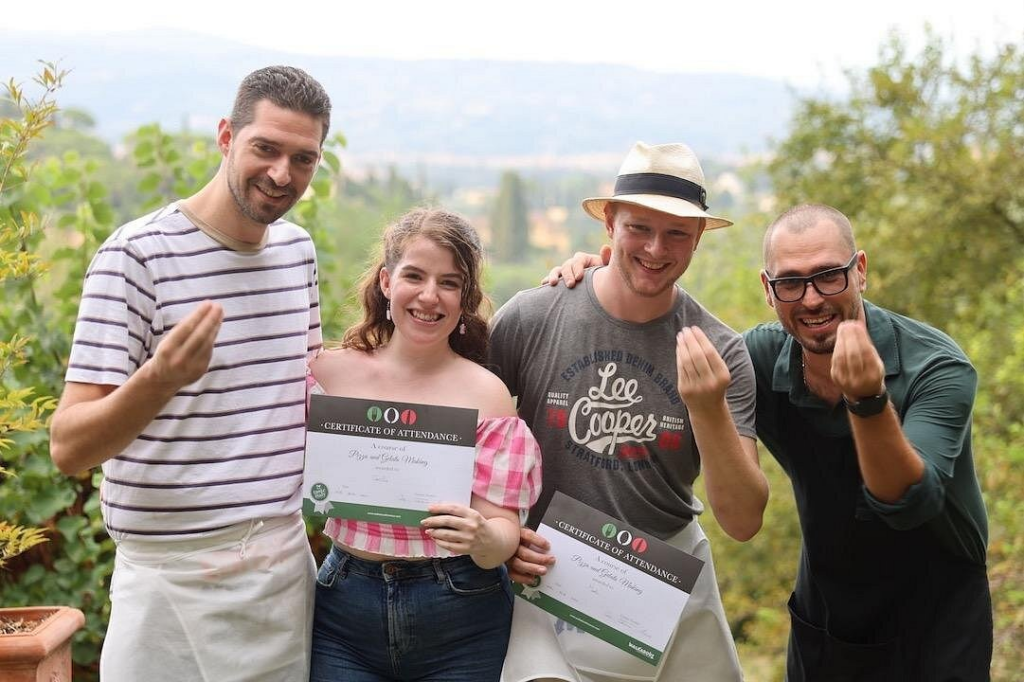
I will be direct: a good cooking class in Florence is one of the best things you can do in this city. I say that as someone who grew up cooking alongside my grandmother in Naples and spent years being skeptical of tourist kitchens.
The best ones here are the real thing. Small groups, real kitchens, instructors who actually know what they are doing, and food you eat together at the end of the session. That last part matters more than people realize.
Most Florence cooking classes focus on the fundamentals of Tuscan and Florentine cuisine: fresh pasta from scratch, handmade sauces, ribollita, maybe a tiramisu if the group is lucky. Some classes include a market visit before the cooking begins, which gives you proper context for the ingredients.
You understand the food differently when you have held the porcini mushroom before it goes in the pan.
Classes typically run two to three hours and are designed for all skill levels. You do not need to know how to cook. You need to want to learn. For my full breakdown of the best options, including what each one covers and who it suits, read the best Florence cooking class guide.
Florence Food Tours
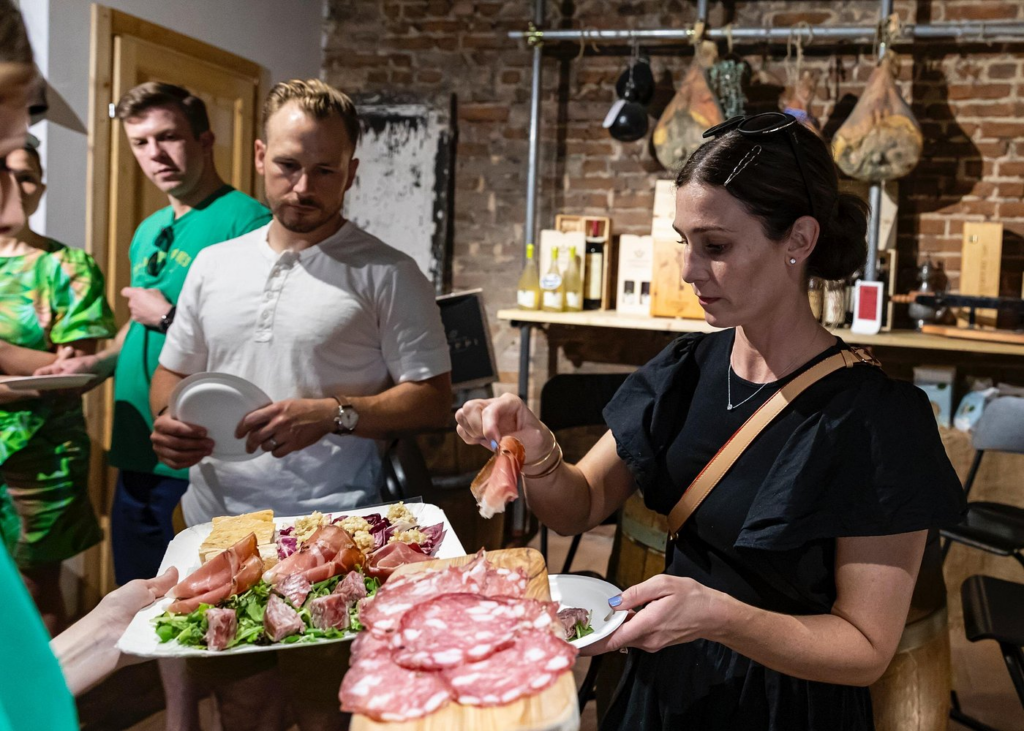
A Florence food tour done well is less a tour and more an education you happen to enjoy enormously. The city has neighborhoods, markets, and specialist producers that most visitors walk right past without knowing what they are missing.
A good guide changes that. They take you to the lampredotto cart that locals queue at on their lunch break, the enoteca tucked behind the covered market, the pork butcher whose prosciutto crudo has been aged longer than most people realize. You see the city differently when you are eating your way through it.
The best food tours cover a range of neighborhoods and food types rather than staying in one area. Expect around four to five hours and enough tastings that you genuinely do not need dinner afterwards. Some tours include wine pairings alongside the food stops, which I think adds a lot. Florence is not a city where food and wine exist separately from each other. They belong together.
Trust me on this: do not skip the street food stops in favor of the sit-down moments. Some of the best things you will eat in Florence cost almost nothing and come wrapped in paper. For detailed recommendations and what to look for when comparing options, see the best Florence food tour guide.
Florence Market Tours
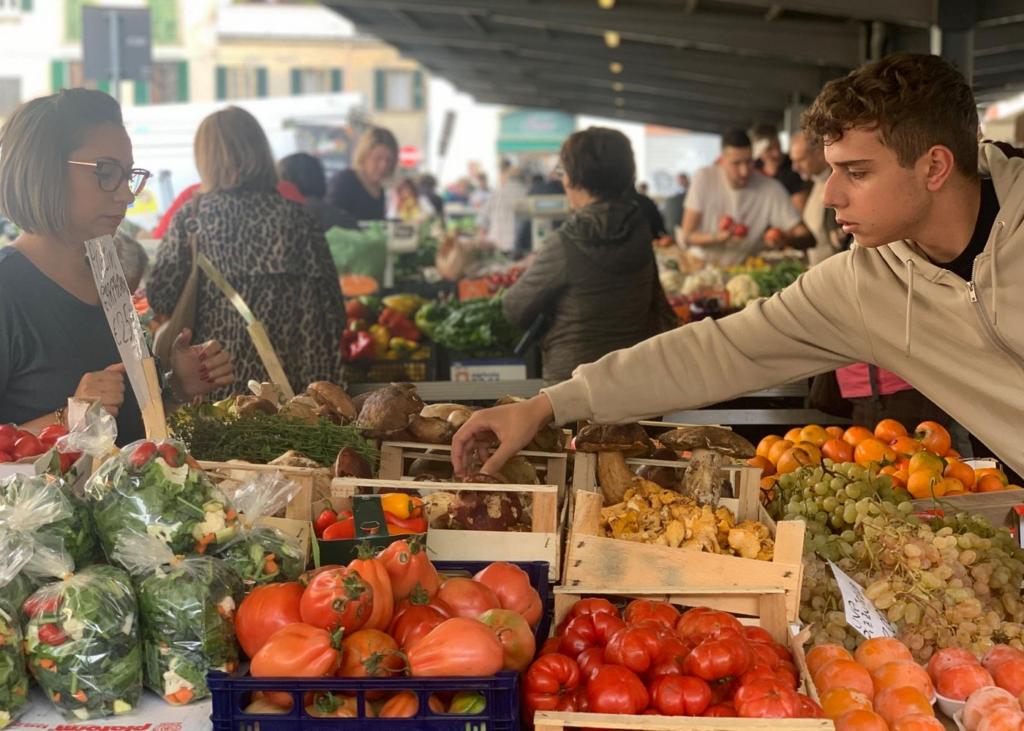
The Mercato Centrale is one of the most beautiful covered food markets in Europe. I am not being generous when I say that, I have been to a lot of markets. The ground floor is working market: butchers, fishmongers, pasta makers, cheese vendors, bakers. It smells extraordinary.
The upper floor has evolved into a food hall, which is convenient if you want to eat on the spot, though the ground floor is where the real market life happens.
A guided market tour transforms what could be an overwhelming sensory experience into something coherent and genuinely illuminating. A good guide introduces you to the vendors, explains what you are looking at, lets you taste things you would not have thought to try, and gives you context for how Florentine food culture actually works.
You leave with a shopping list and a completely different understanding of what goes into the food you have been eating all week.
Market tours tend to be shorter than full food tours, usually around two hours, which makes them a strong option for a morning before other plans. They work well as a standalone experience or as a warm-up to a cooking class. For everything you need to know, visit the Florence market tour guide.
Florence Food and Wine Walking Tours
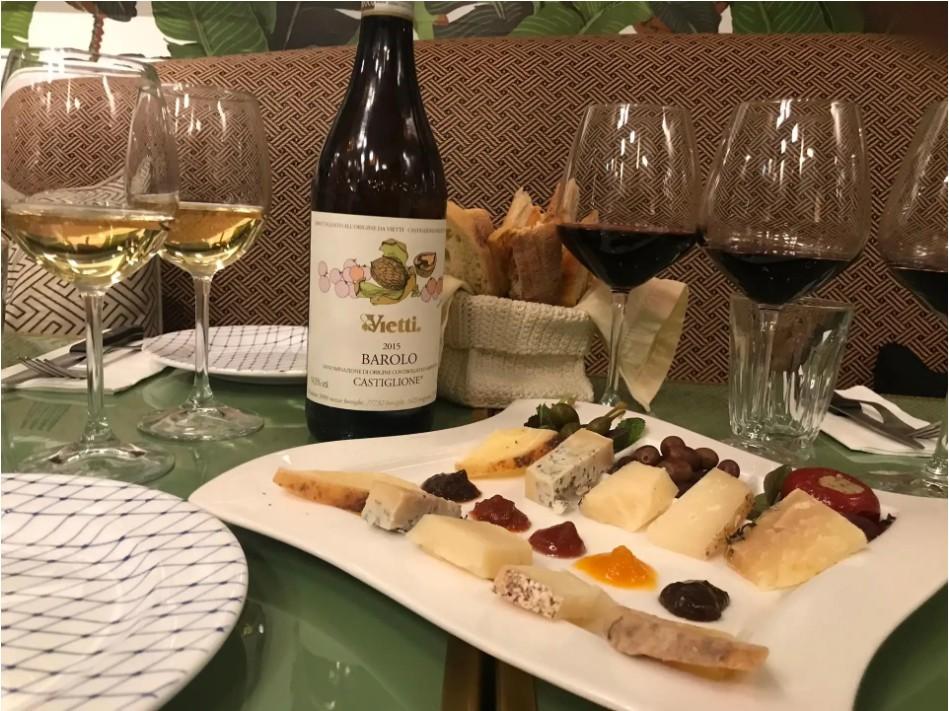
The walking tour format suits Florence particularly well because the city is compact and dense with food history. Within a few streets of each other you can have the most extraordinary bistecca in the city, taste a Sangiovese that has been produced on the same estate for five generations, and eat a schiacciata that has come out of a wood oven less than an hour ago. You need someone who knows the connections to make sense of all of it.
Food and wine walking tours combine the best elements of a food tour and a wine tasting into a single experience, with movement between stops that keeps the energy going. They typically cover two to three neighborhoods over three to four hours, with tastings at each stop that include both food and wine pairings.
The combination works because Tuscan food and Tuscan wine were designed for each other. Eating one without the other is genuinely missing something.
These tours tend to attract travelers who want more depth than a standard food tour but prefer the walking format over a sit-down tasting. They are social, relaxed, and usually led by guides who are as passionate about the wine as the food. See the full breakdown at the Florence food and wine walking tour guide.
Florence Wine Tours
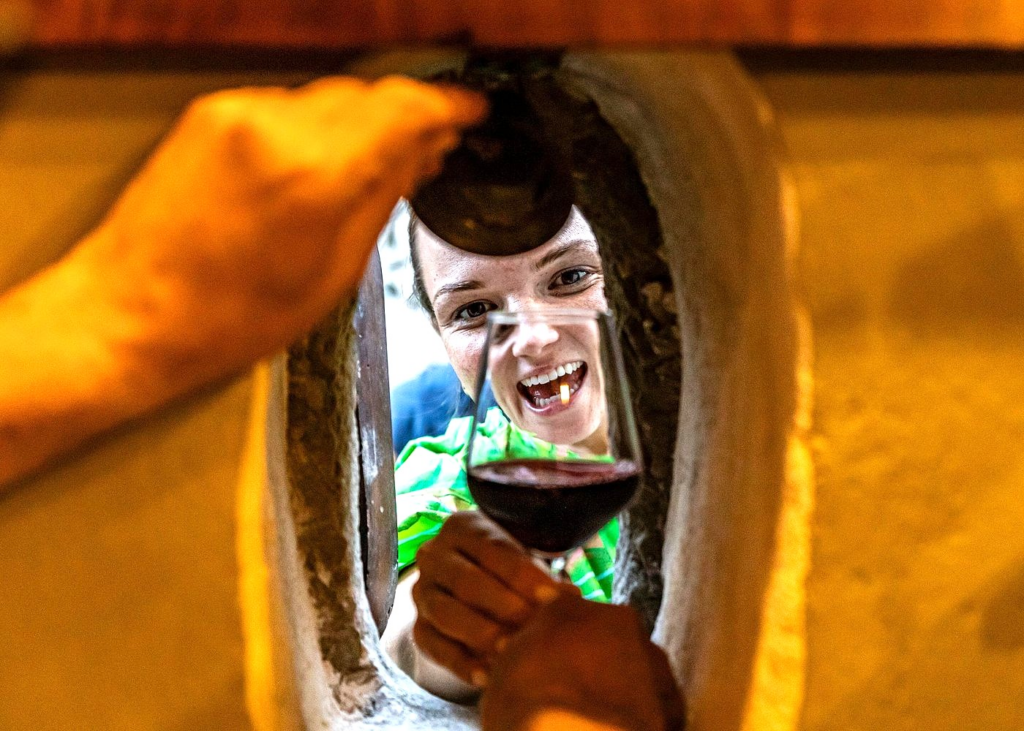
Florence has a serious wine culture that exists completely independently of the Chianti day trip circuit. The city’s enotecas are world-class, stocked with bottles from across Tuscany and beyond, and the best ones pour with intelligence and generosity. A Florence wine tour that keeps you in or near the city gives you access to that culture without requiring a full day out of town.
In-city wine tours typically visit two or three enotecas or wine bars, with guided tastings at each stop that include food pairings. Wine tasting in Florence, Italy has a depth that surprises people: the best tours focus on Tuscan varieties like Sangiovese, Vernaccia di San Gimignano, and Morellino di Scansano, not just the names tourists already know.
You learn to taste the region through the glass, which genuinely deepens your experience of the wine you will drink with dinner for the rest of your trip. It really does change things.
If you are a wine traveler who wants to understand what makes Tuscan wine distinctive rather than just tick bottles off a list, a structured Florence wine tour is the right choice. It is also a more practical option on days when the weather or your itinerary does not allow for a countryside excursion. Full recommendations are at the Florence wine tours guide.
Wine Tours from Florence (Day Trips)
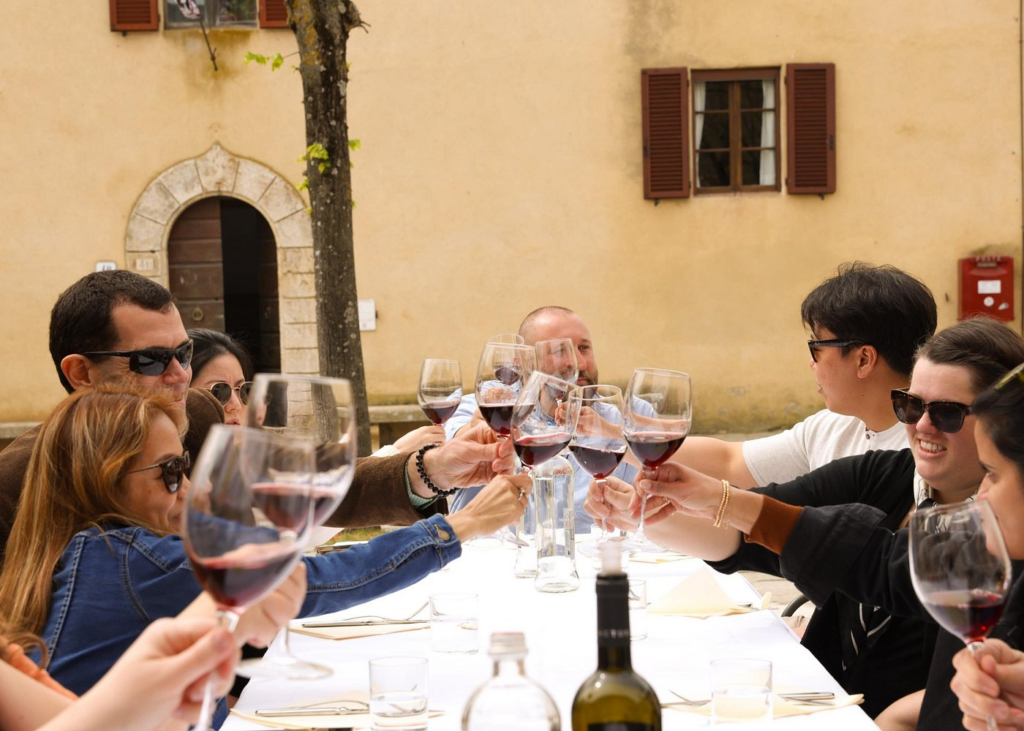
Here is where it gets really good. Florence is positioned perfectly for day trips into some of the most extraordinary wine country in the world. Within an hour of the city you have Chianti, Montalcino, Montepulciano, Bolgheri, and the hills around San Gimignano.
Each one produces wines with their own distinct character, and visiting the estates that make them is a completely different experience from tasting the bottles in a city wine bar.
Day trip wine tours from Florence are typically full-day experiences, departing in the morning and returning in the late afternoon or evening.
A good tour visits two or three estates, includes cellar tours and structured tastings, and pairs the wine with local food. The drive through the Tuscan countryside is part of the experience. Rolling hills, cypress avenues, medieval hill towns visible in the distance: it is genuinely beautiful in a way that the photos do not fully convey.
These tours suit travelers who are serious about wine and want more than a sip and a photo. They are also genuinely fun for people who simply love being in the Tuscan landscape and want good wine while they are there. Not every wine tour needs to be academic. For options and what each covers, see the wine tours from Florence guide.
Tuscany Wine Tours from Florence
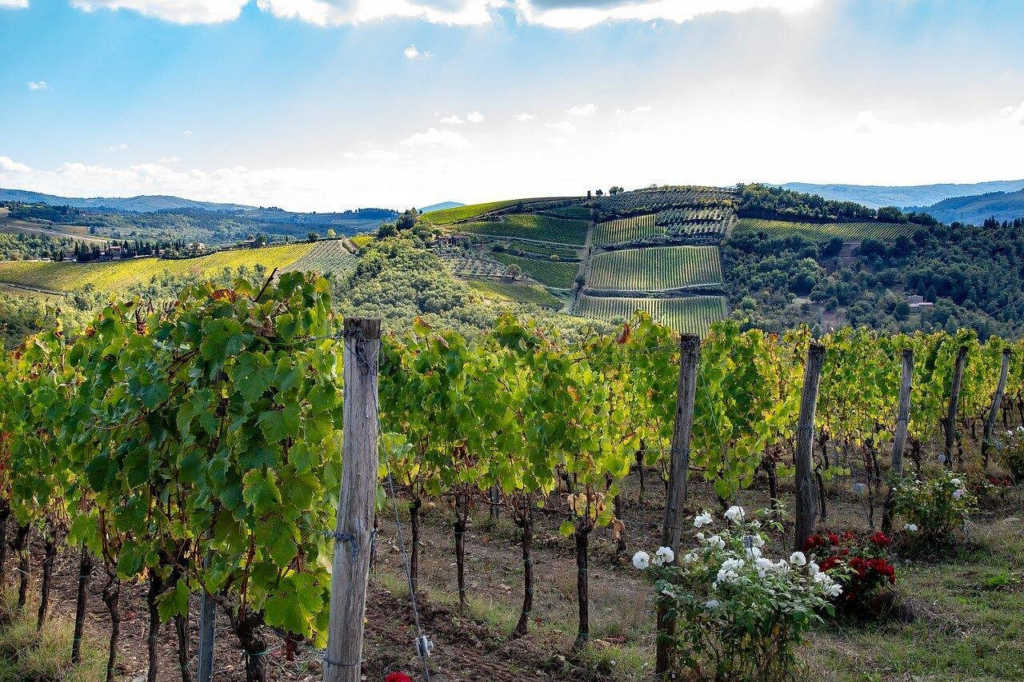
Tuscany wine tours operate on a broader canvas than a single appellation day trip. They are designed for travelers who want to cover more ground, taste across multiple wine zones, and come away with a genuine overview of what Tuscan wine is and why the region matters. These are longer, more immersive experiences, and they are worth the time investment if wine is a serious priority for your trip.
The best Tuscany wine tours from Florence combine estate visits with stops at local producers, artisan food makers, and sometimes historic towns along the route.
You are not just tasting wine, you are seeing the landscape and culture that produces it. A guide who knows Tuscany well makes an enormous difference here: the difference between a pleasant drive with some stops and an experience that actually changes how you understand Italian wine.
Budget a full day, wear comfortable shoes for any vineyard walking, and go hungry because the food pairings on these tours are serious. Check the full guide at the Tuscany wine tours from Florence guide for detailed itinerary breakdowns and what to expect at each stop.
Chianti Wine Tours from Florence
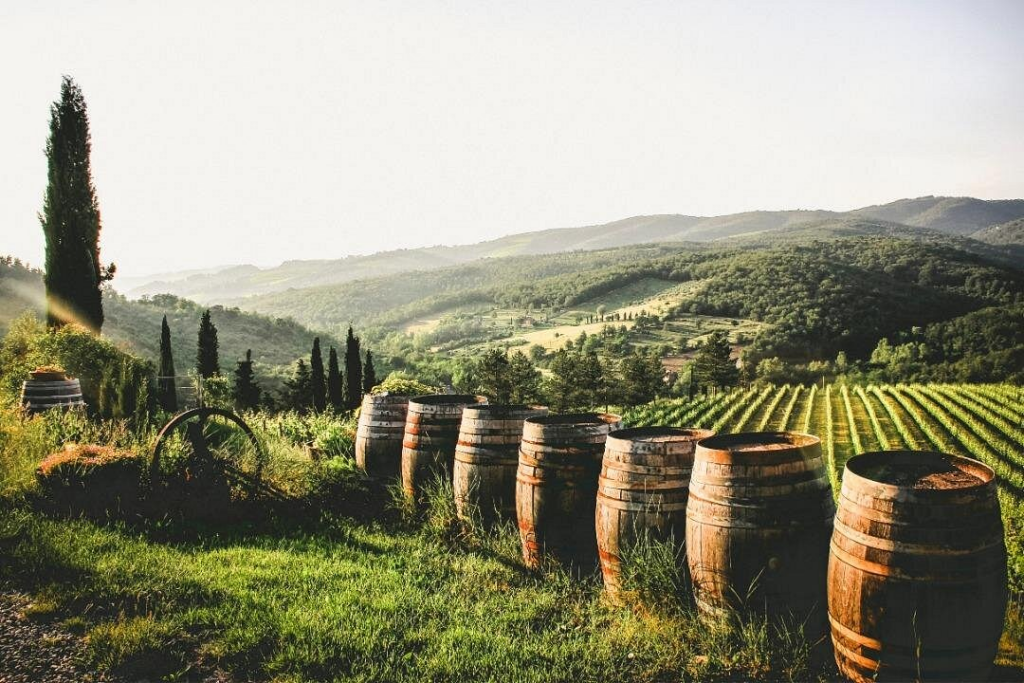
Chianti is the name most people know, and for good reason. The Chianti Classico zone sits between Florence and Siena and produces Sangiovese-based wines that range from approachable everyday bottles to age-worthy classics with real complexity and depth.
It is one of Italy’s most celebrated wine regions, and it is forty minutes from the city center. You would be making a mistake to leave Florence without going.
A guided Chianti wine tour typically includes two to three estate visits, with cellar tours that walk you through the production process before the tasting.
The best estates have been making wine for generations and have stories worth hearing. The landscape itself, the Gallo Nero heartland with its patchwork of vineyards, olive groves, and stone farmhouses, is some of the most beautiful in Italy. I say that without exaggeration.
Chianti tours suit everyone from serious wine enthusiasts to travelers who simply love the idea of drinking great red wine in the place it comes from. They are social, scenic, and deeply satisfying. For a comparison of the best tour options, read the Chianti wine tour from Florence guide.
Private Wine Tours in Florence
There is a version of the wine tour experience that is worth paying more for, and private tours are it. I am not someone who defaults to the premium option as a rule, but private wine tours in Florence offer something that group tours genuinely cannot: your itinerary, your pace, your questions, your interests.
If you are traveling as a couple, a small family, or a group of friends who all care seriously about wine, a private tour repays the investment.
Private tours are typically fully customizable. You can focus exclusively on Chianti Classico if that is what you want, or build an itinerary that covers multiple appellations.
You can linger at an estate that captures your attention rather than moving on when the group is ready. Your guide is entirely focused on your experience rather than managing a larger group dynamic. For food and wine travelers, this matters.
Private wine tours also tend to access smaller, artisan producers that do not take large group bookings. That alone can make the difference between a good tasting and an extraordinary one. See the full options at the private wine tours Florence guide.
Vespa Wine Tours in Florence
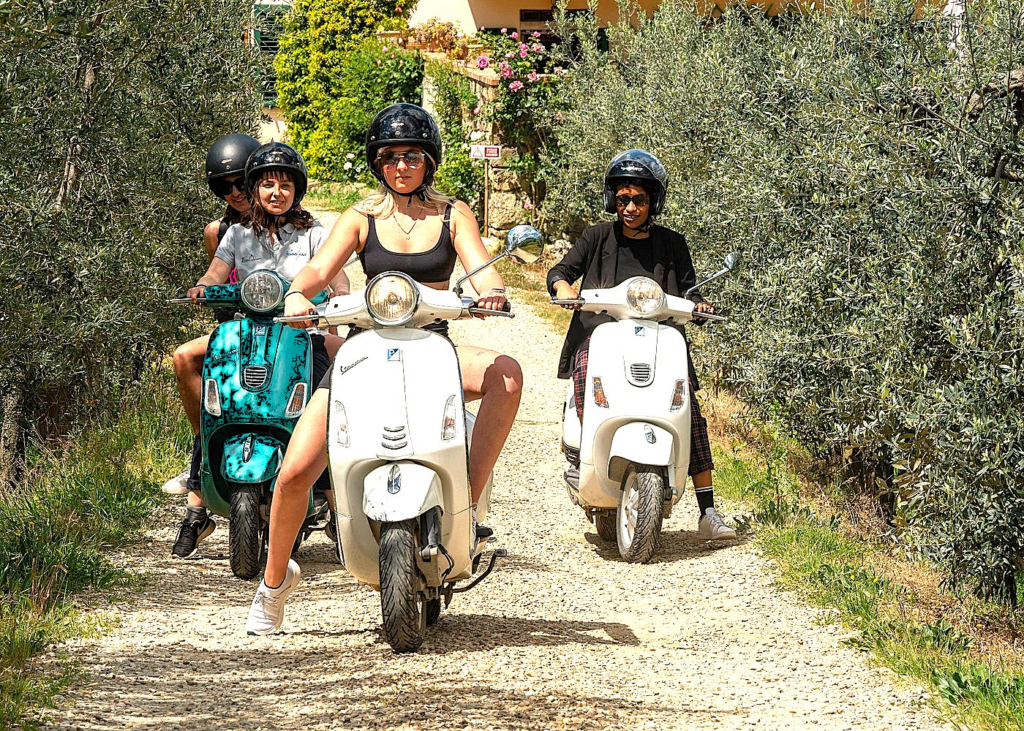
I will admit I was skeptical of this one. Vespa tours with wine stops sounded like a concept designed for Instagram rather than for people who genuinely care about either Vespas or wine. I was wrong. Done properly, a Vespa wine tour in Florence is genuinely fun and the countryside routes are spectacular in a way that a minibus window simply cannot replicate.
The format works like this: you ride out of the city on Vespa through Tuscan countryside roads, stopping at one or two estates or scenic viewpoints for wine tastings and food along the way. The riding is part of the experience, not just transport between stops. The combination of motion, landscape, and the reward of a good glass of Chianti at the end of a winding road through olive groves is something that stays with you.
These tours suit travelers who want an active, memorable experience rather than a purely gastronomy-focused one. You do not need to be an experienced rider, and routes are designed to be manageable. Absolutely worth it if the idea appeals to you. Check the full details at the Vespa wine tour Florence guide.
Vespa Tours (Food, Wine and Countryside)
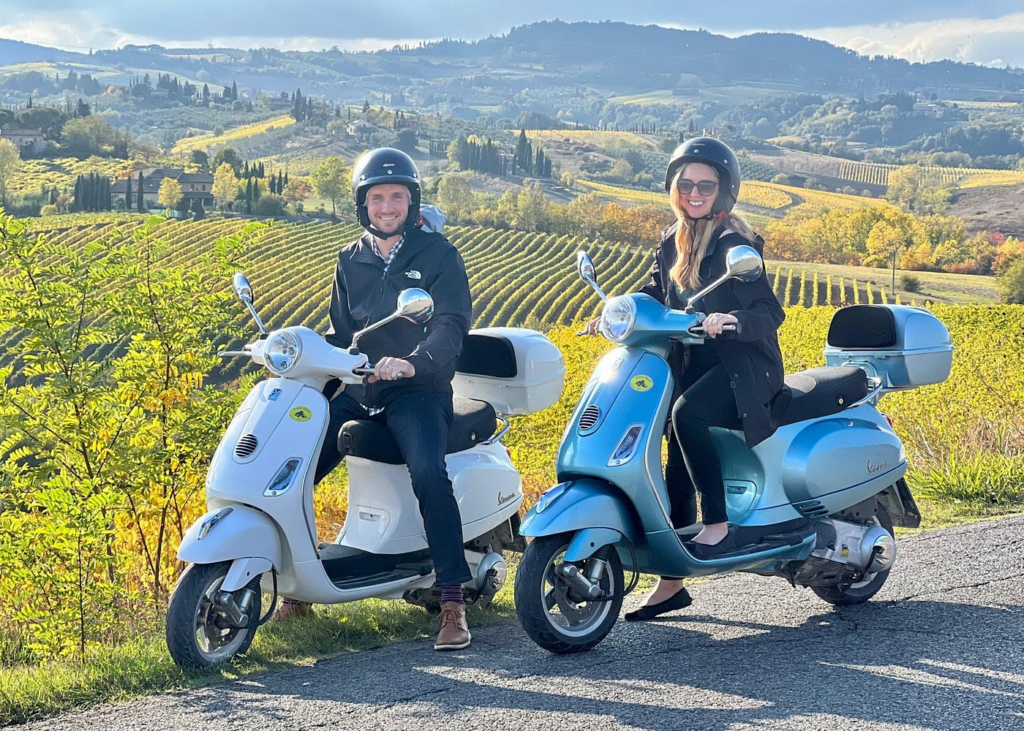
Beyond the wine-focused version, Vespa tours in Florence cover a broader range of culinary and scenic experiences through the Tuscan countryside. These tours combine food stops, market visits, scenic viewpoints, and wine tastings into a full-day Vespa adventure that gives you a genuine feel for the land around the city, not just the city itself.
Florence is extraordinary, but Tuscany is what surrounds it, and the villages, farms, and hillsides within an hour’s ride carry a different kind of beauty. A Vespa tour is one of the best ways to experience that landscape without feeling like you are simply doing a coach excursion. The scale is human. You notice things you would miss from a car window.
These tours tend to attract travelers who are active and want variety: a bit of riding, a bit of tasting, a bit of wandering through a hill town they had not planned on. They deliver on that promise. For full itinerary options and what to expect, read the Vespa tour Florence guide.
Truffle Hunting in Florence
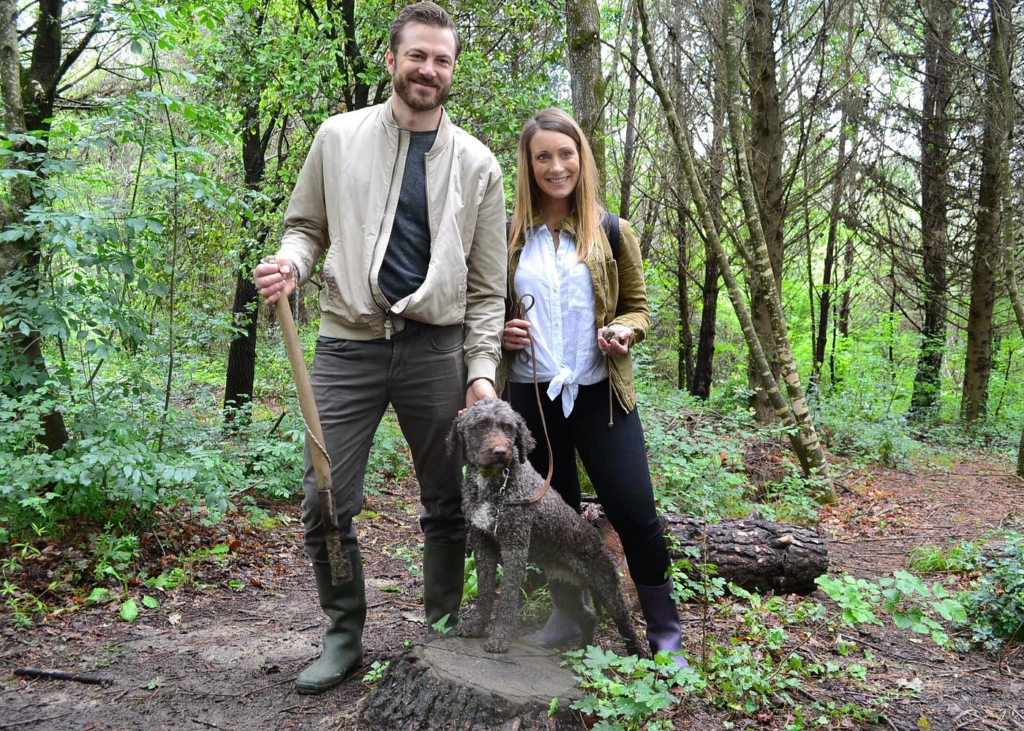
Truffle hunting is one of those experiences that sounds whimsical until you are actually in the Tuscan hills with a trained dog picking up a scent through the leaf litter, and then it is completely compelling. I have done it twice now and it does not get less interesting. The relationship between the hunter, the dog, and the land is centuries old and it shows.
Most truffle hunting experiences from Florence take you out to the forests and hillsides around the city, where trained dogs work the undergrowth under the guidance of an experienced hunter. Y
ou follow, watch, learn how truffles are identified and harvested, and then return to eat what you have found, usually prepared simply to let the truffle flavor speak for itself. Simple pasta, good olive oil, a glass of local wine. So good. Genuinely so good.
Truffle hunting suits curious travelers who want an experience that has nothing to do with museums or monuments. It is outdoor, active, seasonal, and deeply rooted in local tradition. White truffle season runs autumn into early winter; black truffle is more broadly available. Book ahead because the best guides fill up quickly. Full details at the truffle hunting Florence guide.
How to Choose the Right Florence Food or Wine Experience
Budget is the first honest filter. Florence has excellent options at every price level, from affordable shared food tours to full-day private estate experiences that cost significantly more. Know what you are comfortable spending before you start comparing, because the options within any budget tier are strong enough that you do not need to stretch beyond it unless you specifically want to.
Time is the second consideration. Half-day experiences, roughly two to four hours, cover cooking classes, market tours, in-city food tours, and wine tastings.
Full-day experiences are needed for Chianti, Tuscany, and Vespa countryside tours. If your itinerary is tight, prioritize the in-city options and save the countryside excursions for a longer trip. Trying to fit a full Tuscany wine day trip into an already packed schedule produces a rushed version of something that deserves more time.
First-time visitors to Florence often do best starting with a food tour or walking tour that orients them to the city’s neighborhoods and food culture before building out from there. Tours of Florence that cover food and drink are among the best introductions to the city you can find: they explain the history, the neighborhoods, and the culinary logic of a place that has been cooking seriously for centuries.
Repeat visitors with a specific interest, wine, truffles, cooking technique, can go straight to the specialist experiences without the general orientation. And if you are traveling with someone who cares deeply about one thing while you care about another, a combined food and wine tour covers both without compromise.
Tips for Booking Food and Wine Tours in Florence
Book ahead. I cannot stress this enough. The best small-group tours in Florence, the ones with genuinely skilled guides and access to the best producers, fill up weeks in advance, particularly from April through October. Waiting until you arrive and hoping something good is available works occasionally, but it is a gamble I would not take with this city.
Seasonality matters for several experiences. Truffle hunting has a clear season, with the most prized white truffle available from October through December. Vineyard and harvest visits to Chianti estates are particularly good in September and October when the harvest is underway.
Summer tours are fully operational but the heat makes long outdoor walks more demanding, so check whether tours include indoor stops or are predominantly outdoor before booking in July or August.
Small groups are almost always worth prioritizing over large ones. The difference between a twelve-person group tour and a six-person one is significant: more access at each stop, more time with the guide, a less herded experience overall. Private tours offer the maximum flexibility but at a higher price.
For most travelers, a small-group tour with a maximum of eight to ten participants is the sweet spot between cost and quality.
Check what is included before you book. Some food tours include drinks throughout. Some cooking classes include the market visit and some do not. Some wine tours include lunch at the estate and some include only tastings. These differences affect both the value and the logistics of your day. Read the inclusions carefully.
Florence Food and Wine Tours Guide (2026)
Florence will feed you well if you let it. The food is serious, the wine is extraordinary, and the people who have made it their life’s work to share both with visitors are among the most passionate I have encountered anywhere. Naples spoiled me for mediocrity, and Florence met me at that standard.
Whether you spend a morning in a cooking class making pasta you will dream about for months, ride a Vespa through Chianti to a tasting that actually surprises you, or dig through Tuscan forest floor for a truffle you will eat the same afternoon, Florence delivers. It really does. The only mistake is under-planning and leaving the best of it to chance.
Use the guides linked throughout this article to compare your options, read what each experience actually involves, and book the ones that match how you travel. Then arrive hungry, bring curiosity, and trust the city to do the rest.