What You’ll Experience in Naples
Here’s the thing about Naples: this city doesn’t just feed you. It pulls you into its kitchens, argues with you about the proper way to fold a pizza, and sends you home with flour under your fingernails and wine-stained stories you’ll tell for years.
I’ll confess something. The first time I stood in the centro storico at 7 a.m., watching a pizzaiolo stretch dough while his grandfather argued about basil placement, I understood why people become evangelical about Neapolitan food. This isn’t restaurant theater. It’s a living culinary tradition that’s been passed down through centuries of nonna’s kitchens, fishing boats, and volcanic soil.
Naples sits at the edge of the Campanian coast with Mount Vesuvius looming behind it, and that geography shaped everything about how this city eats and drinks. The volcanic soil that buried Pompeii gives the region’s wines a mineral backbone you won’t find anywhere else in Italy (seriously, taste a Lacryma Christi and tell me you don’t taste the mountain).
The Bay of Naples delivers seafood so fresh it’s still moving when it hits the grill. And the wheat that grows in Campania’s interior makes pasta and pizza dough with a chew and flavor that simply can’t be replicated elsewhere.
What makes Naples different from Rome or Florence? It’s less polished, more honest, and absolutely unapologetic about its food culture. You won’t find white tablecloths in most of the city’s best eating spots.
Instead, you’ll eat standing up at a friggitoria (fried food shop), or squeeze onto a bench at a family-run trattoria where the menu is whatever Nonna made that morning. The food culture here is immediate, generous, and wonderfully chaotic.
Pizza, obviously, was born here. But here’s what surprised me: Naples doesn’t rest on its pizza laurels.
The street food scene rivals anything in Asia for variety and intensity. Cuoppo (paper cones of fried seafood), sfogliatelle (ricotta-filled pastries that shatter when you bite them), pizza fritta (fried pizza that sounds insane but tastes like childhood), and taralli (crunchy ring-shaped crackers) appear on every corner. Markets overflow with sun-warmed tomatoes, buffalo mozzarella still dripping with whey, and lemons the size of softballs.
And then there’s the wine. Campania produces bottles that most wine drinkers outside Italy have never heard of, which honestly works in your favor. Falanghina whites are crisp and lemony. Greco di Tufo has this haunting mineral quality. Aglianico reds age for decades and taste like black cherries mixed with volcanic rock. The wineries around Mount Vesuvius grow grapes in soil that’s literally made of ancient lava, and you can taste it in every glass.
What I love about experiencing food and wine in Naples is how accessible it all feels. Cooking classes happen in actual apartments, not cooking schools. Wine tours take you to small family vineyards where the owner’s daughter pours the tastings. Food tours wind through neighborhoods where locals still shop at the same stalls their grandparents used. This isn’t staged authenticity. It’s just how Naples operates.
A quick heads-up: Naples moves at its own pace and plays by its own rules. Traffic is terrifying (just take the metro). Service can be brusque (they’re busy, not rude). Opening hours are suggestions (call ahead). But once you adjust to the rhythm, the city opens up in ways that Rome and Venice simply don’t anymore.
The best part? You don’t need a huge budget to eat exceptionally well here. A sfogliatella from Attanasio costs €2.50. A margherita pizza at one of the historic pizzerias runs €5 to €7. Wine tours including lunch and multiple tastings cost a fraction of what you’d pay in Tuscany. Naples rewards curious eaters who are willing to wander, point at things they can’t pronounce, and trust that whatever arrives will be delicious.
This guide covers the experiences that let you cook, taste, and drink your way through Naples properly. We’re talking about food tours that go beyond the tourist traps, cooking classes where you actually learn technique (not just take photos), wine experiences in the vineyards where Campania’s best bottles come from, and the cultural context that makes it all make sense. Let’s eat.
Naples Food Tours: The Best Way to Eat Like a Local

Walking through Naples with someone who knows which bakery makes the best sfogliatelle and why that matters changes everything. I’ve done food tours in dozens of cities, but Naples is one of the few places where a guided experience genuinely reveals layers you’d miss on your own.
The street food culture here operates on insider knowledge. Sure, you can stumble into any friggitoria and eat well. But knowing which ones fry in fresh oil daily, which pizza al portafoglio (folded pizza) spots are worth the line, and which salumeria stocks the best culatello makes the difference between a good meal and a story you’ll tell for years.
A solid Naples food tour typically covers five to eight tastings over three to four hours, focusing on the centro storico and Spaccanapoli neighborhoods where food traditions run deepest. You’ll taste pizza fritta from vendors who’ve been working the same corner for generations, sample mozzarella di bufala minutes after it’s been made, try sfogliatelle that are still warm from the oven, and probably eat more fried seafood than is strictly advisable (guilty as charged!).
What I appreciate about the better tours is how they weave in the cultural context. You learn why Naples invented pizza as portable food for workers, how the Spanish occupation influenced local pastries, and why coffee culture here is almost religious in its intensity.
The guides explain the difference between pizza Napoletana (soft, wet center) and pizza romana (thin, crispy), demonstrate the proper way to drink an espresso (quickly, standing up), and introduce you to shopkeepers who remember when their grandparents ran the same stalls.
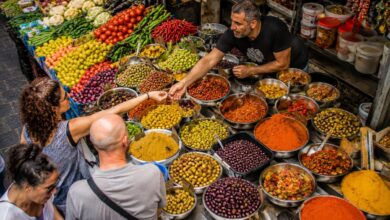
The market visits are worth the tour price alone. Mercato di Pignasecca and the streets around Porta Nolana overflow with produce, seafood, and chaos. Vendors shout prices in Neapolitan dialect, tourists dodge scooters, and somehow transactions happen at lightning speed. A good guide translates the scene, points out seasonal specialties, and often snags you tastes of things you’d never know to ask for.
Skip the tours that promise “20 tastings” or cram too many neighborhoods into a short timeframe. You’ll end up rushed and uncomfortably full (not a good combination).
Look instead for experiences that limit group size to 12 or fewer, focus on a specific neighborhood, and build in time to actually talk with the people making the food. The best guides are Neapolitan born and raised, or have lived here long enough to have strong opinions about pizza dough hydration ratios.
Most tours run morning or late afternoon to catch markets and bakeries at their peak. Evening tours tend to focus more on wine and aperitivo culture. If you’re only doing one food experience in Naples, do it early in your trip. The knowledge you gain helps you navigate the rest of your eating independently.
Cooking Classes in Naples: Learning the Real Recipes

There’s learning to cook Italian food, and then there’s learning to cook the way a Neapolitan nonna actually does it. The difference usually involves more violence toward dough, louder opinions about ingredient quality, and significantly less measuring.
Naples cooking classes typically happen in residential apartments or small cooking schools that feel like someone’s kitchen (because they often are). You start at a local market selecting ingredients, which immediately teaches you more about Italian cooking than most cookbooks ever will.
You learn to judge tomato ripeness by smell, select mozzarella by texture, and negotiate prices with vendors who’ve known your instructor since childhood.
The actual cooking part varies by class, but most focus on pasta making and pizza. Making pasta by hand is harder than it looks. Your first attempts at orecchiette (little ear-shaped pasta) will look more like mangled thumbs, and that’s fine. By the third try, muscle memory kicks in.
The instructors are surprisingly patient, probably because they’ve seen decades of tourists struggle with the same techniques. What matters is understanding why the dough needs to rest, how humidity affects pasta texture, and why you should never, ever rinse cooked pasta (this is apparently a crime against humanity).
Pizza making involves learning the sacred geometry of Neapolitan dough. You’ll work with highly hydrated dough that’s sticky and temperamental. The instructors teach you to stretch it by hand (not with a rolling pin, which compresses the air bubbles and ruins the texture), top it sparingly (less is more), and understand why a wood-fired oven at 900°F (480°C) cooks a pizza in 90 seconds while your home oven takes 12 minutes.
What I value about a quality Naples cooking class is that it teaches technique, not just recipes. You learn the feel of properly kneaded dough, the sound eggs make when they’re fresh, and the smell of basil that’s been bruised correctly to release its oils. These are skills you can’t get from a cookbook or YouTube video.
Most classes end with everyone sitting down to eat what you’ve made, paired with local wine. This is where the real education happens. Over plates of imperfect but delicious pasta, the instructors share family stories, explain regional variations, and answer questions about why Neapolitan cuisine developed the way it did.
You hear about post-war poverty that made Neapolitans inventive with cheap ingredients, the Arab influence on local sweets, and family feuds over the correct ratio of eggs to flour in pasta dough.
Classes run anywhere from three to six hours, with half-day experiences including market visits and full meals. Skip the large group classes (over 12 people) where you’ll spend more time watching than cooking. Look for small groups, hands-on instruction, and instructors who are actual Neapolitans, not imported cooking teachers.
Fair warning: you’ll leave these classes with strong opinions about pasta water salting and the tragic American habit of overcooking spaghetti. Your friends back home might find this annoying (their loss!).
Naples Wine Tours: Discovering Campania’s Hidden Bottles

Campania produces some of Italy’s most distinctive wines, and almost nobody outside Italy knows about them. This works heavily in your favor. While tourists crowd Tuscan wineries paying premium prices for Chianti, you can visit family-owned Campanian vineyards, taste wines that have been made the same way for centuries, and pay a fraction of the cost.
The region’s wine diversity surprises people. Coastal vineyards near Naples grow Falanghina, a white grape that produces crisp, lemony wines with a slight almond finish. Head inland toward Avellino and you find Fiano and Greco di Tufo, both ancient white varieties that the Greeks brought to Southern Italy thousands of years ago. Travel to Irpinia and you’re in Aglianico country, where reds age for decades and develop flavors somewhere between Barolo and volcanic minerals.
What makes these wines special is the terroir. Campanian soil is a mix of volcanic ash, limestone, and ancient seabeds. The climate swings between Mediterranean coastal heat and cooler mountain air. Vines struggle in this environment, which is exactly what makes great wine. The grapes develop intense flavors and acidity while staying relatively low in alcohol.
A good Naples wine tour takes you to two or three wineries in a half or full day, typically focusing on either coastal vineyards or the inland wine regions around Avellino. The coastal tours show you where Falanghina and Piedirosso (a light, peppery red) come from, often with stunning views of the Bay of Naples and Capri. The inland tours get you into serious wine country where Fiano di Avellino and Taurasi (Aglianico’s most prestigious expression) are produced.
What I love about Campanian wineries is how unpretentious they are. These are working farms, not luxury hospitality centers. You’ll taste wines in barrel rooms that smell like fermenting grapes and old oak. The owners or winemakers usually pour the tastings themselves and happily geek out about vineyard management, fermentation techniques, and why they think Aglianico is criminally underrated compared to Piedmont’s Nebbiolo.
Most tours include lunch or a substantial snack paired with the wines. This isn’t accidental. Campanian wines are food wines, bred over centuries to pair with the region’s rich, tomato-based cuisine. A Greco di Tufo alongside grilled seafood is transcendent. Aglianico with slow-cooked ragu over pasta makes perfect sense. You taste these wines the way they’re meant to be experienced.
The tastings typically include four to six wines, starting with whites and moving to reds. You learn to identify volcanic minerality (it tastes like wet stones and sea spray), understand how aging affects Aglianico’s tannins, and discover why Falanghina works so well with fried food (the acidity cuts through the oil). Many wineries also produce olive oil, limoncello, or other products that factor into the tasting.
Skip the large bus tours that hit multiple wineries in a rushed schedule. You’ll spend more time on the bus than tasting wine. Look instead for small group experiences (8 to 12 people maximum) that visit family wineries and build in time to ask questions and explore the vineyards. The best tours are led by wine professionals who can explain what makes Campanian wines distinct and why certain vintages matter.
Most wine tours run year-round, but visiting during harvest (late September through October) adds another layer of interest. You might see grapes being picked, smell fermentation happening, and taste wines straight from the tank. The downside is that winery staff are legitimately busy, so tours might feel slightly rushed.
Count on spending €80 to €130 per person for a half-day tour including transportation, tastings, and lunch. Full-day tours run €130 to €180. This is significantly cheaper than comparable wine experiences in Tuscany or Piedmont, and honestly, the wines are just as interesting (sometimes more so).
Mount Vesuvius Wine Tours: Volcanic Vineyards and Ancient Soil

Growing grapes on an active volcano that buried two Roman cities seems either brilliantly optimistic or mildly insane. Neapolitans have been doing it for over 2,000 years, which tells you something about their priorities (good wine beats existential risk, apparently).
The vineyards on Mount Vesuvius’s slopes produce wines that taste like nowhere else in Italy. The soil is pure volcanic ash and minerals, free-draining and nutrient-poor. Vines have to work hard to survive, sending roots deep into the porous volcanic rock. The result is grapes with intense flavor concentration and a distinctive mineral quality that sommeliers describe as “volcanic” (because what else would you call it?).
The signature wine here is Lacryma Christi, which translates to “Tears of Christ.” According to legend, Christ wept when Lucifer stole a piece of paradise and dropped it into the Bay of Naples, and vines grew where his tears fell. More practically, Lacryma Christi comes in both white (usually from Falanghina and Coda di Volpe grapes) and red (Piedirosso and Aglianico) versions. The whites are fresh and mineral-driven with citrus and almond notes. The reds are medium-bodied with red berry flavors and that telltale volcanic minerality.
A Mount Vesuvius wine tour typically combines vineyard visits with the chance to explore the volcano itself. You start at a winery on Vesuvius’s lower slopes, taste wines while learning about volcanic viticulture, then drive higher up the mountain to see the crater. The views from up there are spectacular. On clear days you see the entire Bay of Naples, Capri, the Amalfi Coast, and the vineyards spread out below you like a green blanket.
The wineries themselves are small, family-run operations. Many have been making wine in the same location for generations, despite Vesuvius’s last eruption in 1944. You tour the vineyards, see how the vines are trained (often using the traditional “alberello” bush system), and learn about the challenges of farming on a volcano. Irrigation is tricky because water drains through the porous soil immediately.
Harvest timing is critical because the altitude and soil affect ripening. And there’s always the low-grade awareness that you’re farming on an active volcano that scientists say will definitely erupt again (just, you know, probably not today).
The tastings usually include four or five wines plus olive oil and sometimes Vesuvian tomatoes, which grow in the same volcanic soil and taste intensely sweet and acidic. You pair the wines with local cheeses, cured meats, and bread while the winery owner or winemaker explains what you’re tasting and why volcanic soil matters.
What surprises most people is how food-friendly these wines are. Lacryma Christi white is perfect with seafood, fried vegetables, or just drinking on a warm afternoon. The reds work beautifully with pizza, pasta, and anything tomato-based. They’re not expensive or prestigious wines, but they’re honest, interesting, and completely unique to this specific place.
Most Vesuvius wine tours run four to six hours and cost €90 to €150 per person, including transportation from Naples, winery visits, tastings, and often lunch. Some tours combine wine with visits to Pompeii or Herculaneum, which makes sense geographically but can feel rushed. I prefer tours that focus solely on the wine and volcano, giving you time to actually enjoy both.
The best time to visit is spring (April to May) or fall (September to October) when the weather is mild and the vineyards look beautiful. Summer gets hot and crowded. Winter can be rainy, though the volcano looks dramatic shrouded in clouds.
One practical note: if you want to hike to Vesuvius’s crater, wear real shoes (not sandals) and bring water. The hike isn’t long but it’s steep and dusty. And yes, you can absolutely taste the difference between wines grown at different elevations on the volcano. The higher vineyards produce wines with brighter acidity and more pronounced minerality.
Planning Your Naples Food and Wine Trip
Best Time to Visit
Naples works year-round for food and wine experiences, but timing affects what you’ll find and how comfortable you’ll be doing it.
Spring (April to May) is probably optimal. The weather is warm but not brutal, markets overflow with seasonal produce (artichokes, peas, strawberries), and outdoor dining is pleasant without being sweaty. Easter week brings special pastries like pastiera (ricotta and wheat berry tart) that you won’t find other times of year.
Fall (September to October) runs a close second. Grape harvest happens in late September, so winery visits are particularly interesting. The weather cools down from summer’s intensity. Figs, chestnuts, and mushrooms appear in markets and on restaurant menus.
Summer (June to August) is hot, crowded, and many locals leave for vacation. The upside? Prices drop, restaurants are less packed, and you get a more local experience. Just pace yourself during midday heat and drink lots of water. Summer produce (tomatoes, eggplant, basil, peaches) is incredible.
Winter (November to March) is the quietest season. Some wineries reduce tour schedules or close for holidays. Weather can be rainy and cool. But prices are lowest, crowds are minimal, and you get to experience Naples when it belongs to Neapolitans. Winter specialties like sfogliatelle ricce and Christmas sweets are worth seeking out.
One timing note: most cooking classes and food tours run daily, but wine tours often require minimum group sizes or advance booking, especially in winter. Book wine experiences at least a week ahead.
Where to Stay
Your base location in Naples matters for food experiences. Most cooking classes, food tours, and meeting points cluster around the centro storico and Spanish Quarter. Staying in or near these neighborhoods minimizes commute time and lets you explore independently.
Centro Storico puts you in the historic heart with easy walking access to food shops, markets, and restaurants. The neighborhood is lively, loud, and sometimes chaotic (in a good way). Via dei Tribunali and Spaccanapoli run through here, lined with pizza spots and bakeries.
Spanish Quarter (Quartieri Spagnoli) offers more authentic, less touristy Naples. Narrower streets, more local shops, fantastic street food, and generally lower prices. Can feel intimidating at first but is perfectly safe during daytime.
Chiaia is more upscale and residential, with wider streets, better hotels, and easier navigation. Less historic character but more comfortable for some travelers. Still walking distance to centro storico.
Vomero sits up the hill with great views and a more modern feel. You’ll take funiculars or the metro to reach the historic center, which adds 15-20 minutes to your commute.
For wine tours, your accommodation location matters less since tours include pickup and drop-off. Some travelers base themselves in Sorrento or towns along the Amalfi Coast and day-trip to Naples for food experiences, which works fine if you don’t mind the commute.
Getting Around
Walking covers most food-related activities in central Naples. The centro storico, Spanish Quarter, and waterfront areas are all walkable (though watch for scooters, uneven pavement, and the general chaos of Neapolitan traffic).
The metro system (Line 1 and Line 2) is clean, efficient, and connects major neighborhoods. Stations like Toledo, Dante, and Museo are genuinely beautiful (seriously, they’re architectural highlights). Use the metro to reach Vomero or neighborhoods outside the historic center.
Taxis work for reaching restaurants outside walking distance or getting back to your hotel after dinner. Use official white taxis with meters, or better yet, book through your hotel. Uber exists but isn’t as common as taxis.
For wine tours, transportation is included. Most operators use vans or minibuses and pick up from central Naples hotels or meeting points.
Do not rent a car for Naples itself. Traffic is legendary in all the wrong ways, parking is a nightmare, and you won’t need it for anything food-related in the city. If you’re visiting Campanian wine regions independently, rent a car from the airport and skip Naples driving entirely.
How Many Days You Need
For a food-focused Naples trip, I recommend four to five days minimum. Here’s why:
Day 1: Settle in, take a food tour to orient yourself, eat pizza.
Day 2: Cooking class in the morning, independent eating in the afternoon, practice your new pasta skills mentally while eating more pizza.
Day 3: Naples wine tour or Mount Vesuvius wine experience.
Day 4: Market exploration, more independent eating, maybe a second cooking class if you’re serious about technique.
Day 5: Day trip to Sorrento, Pompeii, or the Amalfi Coast, eating your way through whichever you choose.
This pace lets you absorb what you’re learning without feeling rushed. You have time to revisit places you discovered on the food tour, try restaurants locals recommended, and wander markets at your own speed.
Can you do it in three days? Sure. You’ll hit the highlights but miss the depth. A week or more lets you add wine regions further afield (Irpinia, Cilento), take multiple cooking classes, or just slow down and eat like a local.
One pattern I’ve noticed: people who spend three days in Naples usually wish they’d stayed longer. The city reveals itself slowly and rewards patience.
Understanding Naples Food Culture
Naples food culture operates on rhythms and rules that seem strange until you understand the underlying logic. Then they make perfect sense.
Coffee culture here is almost ritualistic. Espresso is consumed quickly, standing at the bar, usually in one or two sips. It costs about €1. Sitting down to drink it can triple the price (table service fee).
Cappuccino is acceptable until 11 a.m., after which ordering one marks you as a tourist. The afternoon coffee is another espresso, never cappuccino (milk after midday is considered digestively wrong). Neapolitans drink multiple espressos throughout the day, providing a baseline caffeine level that explains a lot about the city’s energy.
Meal timing follows Italian patterns but with Neapolitan intensity. Lunch runs 1 p.m. to 3 p.m. and is the main meal. Many shops close during these hours because eating is serious business. Dinner starts around 8 p.m. or later. Restaurant kitchens often stay open until midnight or beyond. The late meal timing means a substantial afternoon snack (pizza a portafoglio, sfogliatella, or just more coffee) bridges the gap.
Street food functions as social currency. Eating while walking is completely acceptable in Naples (unlike northern Italy where it’s frowned upon). Food vendors appear on streets corners throughout the day, selling everything from fried seafood to pizza to pastries. Quality varies wildly, so watch where locals line up.
Markets are where real food culture lives. Mercato di Pignasecca and the streets around Porta Nolana operate daily except Sunday. Vendors display produce like artists, calling out prices and quality claims in rapid Neapolitan dialect. Shopping here involves negotiation, knowledge of seasonal availability, and the understanding that the best stuff sells out by 10 a.m. Tourists can shop at markets, but having even basic Italian helps immensely.
Family meals remain central to Neapolitan culture. Sunday lunch is sacred, a multi-course affair that lasts hours and involves multiple generations. Restaurant groups of 15 or 20 family members on Sundays are completely normal. This tradition shapes restaurant culture throughout the week. Kitchens are built for large quantities. Portions assume you’re sharing. Service prioritizes feeding large groups efficiently over intimate fine dining experiences.
The pizza culture deserves its own explanation. Neapolitan pizza is a protected designation (STG status from the EU), with specific requirements for dough, ingredients, and cooking method. A proper pizza Napoletana has a soft, wet center and is eaten with a fork and knife, not folded. The crust should be leopard-spotted from the wood fire. Toppings are minimal. Cheese and tomatoes are never both used cold. This is serious business, with pizza makers training for years and family pride riding on dough techniques.
Wine drinking here is casual and constant. Wine appears at lunch and dinner, usually local and affordable. A half-liter carafe of house wine costs €8 to €12 at trattorias and is perfectly drinkable. Neapolitans aren’t wine snobs (that’s more a northern Italy thing), but they know what they like and have strong regional pride about Campanian wines.
The one food culture aspect that frustrates some visitors: menus are often in Italian only, and not the simple tourist Italian you find in Venice. Wait staff may have limited English. But pointing works, and usually someone in the restaurant speaks enough English to help. Or just order the day’s special (piatto del giorno) and trust that it’ll be good.
Why Naples Is One of Europe’s Great Food Cities
I’ve eaten my way through most of Europe’s famous food cities. Paris has its bistros, Barcelona its markets, Rome its trattorias, Copenhagen its new Nordic cuisine. Naples does something different. It feeds you honestly.
There’s no performance here, no pretension that food is anything other than what sustains humans and brings them together. A pizzaiolo making his thousandth margherita of the week isn’t thinking about Michelin stars or Instagram angles. He’s thinking about dough hydration, oven temperature, and whether the basil he bought this morning is good enough.
That authenticity, combined with incredible ingredients, centuries of technique, and the most food-obsessed population I’ve encountered anywhere in Italy, creates something special.
You can eat world-class meals for €15. You can learn to make pasta from someone whose grandmother taught them the same way her grandmother taught her. You can drink wines that have been made in the shadow of an active volcano for 2,000 years.
The food and wine experiences here aren’t just about what you eat and drink. They’re about connecting with a culture that takes food seriously without taking itself too seriously, that argues passionately about proper technique while making sure everyone gets fed, and that welcomes you into kitchens and vineyards with genuine warmth.
Come hungry. Come curious. Come ready to get flour on your clothes, tomato sauce on your shirt, and probably wine on your shoes (it happens). Naples will feed you spectacularly well, teach you things you didn’t know you needed to learn, and send you home with recipes, stories, and an entirely new appreciation for what Italian food can be when it’s done right.
Just remember: never rinse the pasta. They’re still not over that.