This Venice Food Guide explores the traditions, dishes, and everyday food culture that shape how Venetians really eat.
I’ll confess something: the first time I stood at a bacaro counter in Venice at 11 a.m., watching locals toss back tiny glasses of wine with plates of fried sardines, I thought I’d stumbled into some kind of secret society. The bartender caught my confused tourist face and slid an ombra across the marble. “Welcome,” he said with a wink.
That moment changed everything. The cool wine, the salty fish, the morning light slanting through the doorway taught me more about Venetian food culture than any guidebook ever could.
Venice doesn’t eat like the rest of Italy. How could it? This city rose from the lagoon with one foot in the Adriatic, the other reaching toward the spice routes of the East. For a thousand years, Venetian merchants brought back pepper, saffron, cinnamon, and cloves while fishermen hauled in catches that never saw dry land.
The result? A cuisine as unique as the city itself. Part Italian, part maritime republic, entirely its own beautiful contradiction.
What Makes Venetian Cuisine Unique
As any good Venice Food Guide will tell you, the city’s cuisine is shaped by the lagoon, trade routes, and seasonality.
Here’s the thing about Venice: it’s an island city that spent centuries controlling Mediterranean trade. That combination shaped everything Venetians eat.
The Lagoon Kitchen
The lagoon comes first. Forget rolling Tuscan hills or Sicilian lemon groves. Venice built its kitchen on tidal mud flats, shallow waters, and salt marshes.
The seafood here tastes different because it is different. Soft-shell crabs (moleche) only exist during brief molting periods. Lagoon shrimp are sweeter and more delicate than their ocean cousins. Even the vegetables grown on the lagoon islands (like Sant’Erasmo’s famous purple artichokes) carry a subtle briny undertone from the salt-touched soil.
The Spice Trade Legacy
Then there’s the spice trade legacy. While mainland Italian cooking relied on fresh herbs and simplicity, Venetian merchants were seasoning with cinnamon, nutmeg, raisins, and pine nuts centuries before they became fashionable elsewhere.
You’ll taste this in sarde in saor (sweet and sour sardines) with its golden raisins and onions, or in the subtle spice notes threading through liver dishes. It’s exotic without being showy. The mark of a culture that considered Eastern flavors everyday ingredients, not special occasions.
The Preservation Culture
What really strikes me is how Venetian cuisine embraces preservation. When you’re a maritime power, you need food that travels and keeps. Salt cod (baccalà), pickled fish, and cured sardines weren’t poverty food. They were strategic genius.
Even today, many signature Venetian dishes celebrate preservation techniques that turn humble ingredients into something transcendent.
Traditional Venetian Dishes You Need to Know

Walk into any proper Venetian restaurant and you’ll find these classics. They’re not museum pieces. Locals still order them regularly, still argue about whose grandmother made them best.
Cicchetti: Venice’s Small Plate Perfection
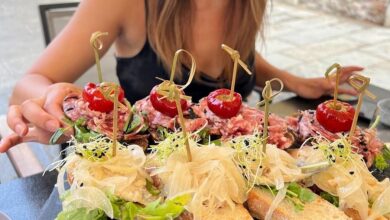
Cicchetti deserve their own paragraph because they’re basically Venice’s answer to tapas, except older and arguably better. These small bites range from simple (a slice of bread topped with creamy baccalà mantecato) to elaborate (tiny crab salads, marinated octopus, fried vegetables).
The genius is in the variety. You can compose an entire meal from cicchetti, moving from bacaro to bacaro, trying different specialties at each stop.
I’ve had cicchetti that were just a hard-boiled egg with anchovy, and somehow the combination of creamy yolk and salty fish achieved perfection. Who knew?!
Sarde in Saor: Sweet Meets Sour
Sarde in saor translates to “sardines in sauce,” but that undersells it dramatically. Fresh sardines get fried until crispy, then layered with sweet-sour onions cooked down with vinegar, white wine, raisins, and pine nuts.
The whole thing sits for at least a day, letting flavors marry into something that tastes simultaneously medieval and completely modern.
The sweet-sour balance reflects Venice’s Eastern trade connections. This is what happens when Italian fish meets Persian flavor principles.
Fair warning: if you try good sarde in saor, you’ll crave it for weeks afterward. (Guilty as charged!)
Baccalà Mantecato: Cloud-Like Cod
Baccalà mantecato might look like someone whipped dried cod into submission, and that’s exactly what happened. Salt cod gets soaked for days to remove excess salt, then beaten with olive oil until it becomes this impossibly creamy, cloud-like spread.
Served on grilled polenta or crostini, it’s rich without being heavy, salty without being aggressive.
The texture reminds me of the world’s best fish mousse, if fish mousse tasted this good.
Risotto al Nero: Black Gold from the Lagoon
Risotto al nero di seppia (black squid ink risotto) looks dramatic on the plate. Completely black, glossy, almost Gothic.
The squid ink gives it a subtle briny flavor and a silky texture that coats each grain of rice.
Honestly? It’s not as fishy as you’d expect. The ink adds depth and a whisper of the sea, but good versions balance it with white wine and butter until you get something elegant and surprisingly delicate.
Just don’t check your teeth immediately after! The ink stains temporarily, which becomes a bonding experience with fellow diners.
Bigoli in Salsa: Simple Perfection
Bigoli in salsa represents Venetian simplicity at its finest: thick, whole-wheat spaghetti-like noodles tossed with slowly cooked onions and anchovy or sardine sauce.
No tomatoes, no cream. Just pasta, fish, onions, and time.
The anchovy melts into the oil and onions, creating this sweet-savory sauce that clings to the rough-textured bigoli. It’s peasant food elevated to art through patience and respect for ingredients.
The Seafood Culture
The seafood culture here runs deep. Fritto misto (mixed fried seafood) changes with the daily catch.
Baby shrimp, squid, soft-shell crabs when in season, small fish pulled from the lagoon that morning. Everything gets a light dusting of flour and quick fry, emerging golden and grease-free.
You eat it hot, with just lemon, tasting the sweetness of creatures that were swimming hours ago.
The Cicchetti and Bacari Culture

This is where Venice really shows its personality. Bacari (singular: bacaro) are small wine bars, usually standing-room-only, where locals gather for cicchetti and conversation.
They’re not restaurants in the traditional sense. More like social institutions disguised as bars.
The Daily Rhythm
The rhythm goes like this: Venetians stop at a bacaro mid-morning or before lunch for an ombra (small glass of wine) and a few cicchetti. Then maybe another bacaro mid-afternoon. Then definitely a few more before dinner.
It’s called giro di ombra (the wine tour), and it’s how locals socialize, catch up on gossip, and refuel without sitting down for a full meal.
The Standing Tradition
Here’s what surprised me: the standing culture. Most bacari have minimal seating because standing encourages mingling.
You’re shoulder-to-shoulder with lawyers, artists, gondoliers, shopkeepers. All equal at the marble counter.
Conversations flow naturally. The bartender knows everyone’s usual order and delivers friendly insults with your wine.
It’s the opposite of rushed. More like a daily ritual of belonging.
Reading the Selection
The cicchetti selection tells you everything about a bacaro’s personality. Some specialize in seafood (expect marinated anchovies, spider crab salad, razor clams). Others lean toward vegetables and cheese (grilled radicchio, aged Monte Veronese, mushroom crostini).
The best bacari change their offerings daily based on market finds.
You point at what looks good (totally acceptable), and the bartender plates it for you.
Natural Wine Pairing
Wine pairing happens naturally because the bartender just knows. Seafood cicchetti? Here’s a crisp local white. Rich meat preparation? Try this deeper red.
The portions stay small so you can try multiple combinations without commitment.
I’ve learned more about Italian wine from bacaro bartenders than from any formal tasting (and had way more fun doing it).
Timing Is Everything
Timing matters. Locals hit bacari during specific windows: late morning (11-12:30), mid-afternoon (4-6), and early evening (6-8).
Show up at 2 p.m. and you might find them closed or quiet.
But arrive during the rush? You’re part of a living tradition that’s been playing out in Venice for centuries.
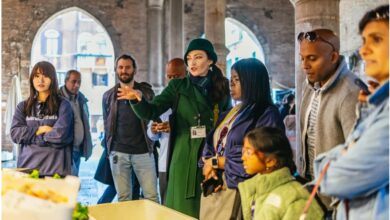
Many visitors find that joining a cicchetti tour helps decode this ritual faster than solo exploration. A knowledgeable local guide doesn’t just point out good bacari (you could eventually find those yourself). They explain the unspoken rules, introduce you to bartenders, and reveal which cicchetti pair with which wines. You’re learning the culture, not just tasting the food.
Venetian Wine Culture and the Ombra Tradition

The ombra deserves its own spotlight because it’s wonderfully Venetian. Both the wine itself and the story behind it.
The Shadow Story
Legend says the name comes from wine vendors who set up in Piazza San Marco, moving their carts to stay in the shadow (ombra) of the campanile as the sun shifted.
Whether true or not (and Venetians love a good story regardless), an ombra today means a small glass of wine, usually around 2-3 ounces, served in basic glassware at room temperature.
No ceremony, no swirling, no pretension. You drink it standing, often quickly, and order another if the conversation’s going well.
The Regional Wines
The wine itself typically comes from Veneto’s nearby regions. Prosecco from Valdobbiadene appears everywhere. Not the celebratory bottle kind, but poured by the glass, casual and everyday.
Local whites like Soave and Lugana pair brilliantly with seafood-heavy cicchetti.
For reds, you’ll find Valpolicella (including the richer Amarone for special occasions) and light, drinkable Bardolino.
Democratic Wine Culture
What I love about Venetian wine culture is its complete lack of snobbery. An ombra costs €2-4, making it radically democratic.
The businessman in his suit drinks the same wine from the same glass as the fisherman in rubber boots.
Quality matters (locals can spot watered-down house wine instantly), but fancy presentation doesn’t. The focus stays on flavor, company, and the simple pleasure of good wine with good food.
Seasonal Pairing Logic
Venice also has a beautiful wine pairing logic tied to the lagoon seasons. Spring brings moleche (soft-shell crabs), paired with bright, acidic whites that cut through the richness. Summer’s lighter Adriatic fish work with Prosecco’s bubbles.
Fall’s heavier dishes welcome fuller reds. Winter’s baccalà served over creamy polenta practically demands a robust white with enough body to match the richness.
Locals don’t overthink it. They just know these combinations from a lifetime of eating seasonally. For visitors wanting to understand these pairings more deeply, wine tasting experiences with local sommeliers reveal why certain Veneto wines work magic with specific lagoon ingredients.
Markets and the Ingredient Story

The Rialto Market is where Venice’s food culture becomes visible theater. I’ll confess: I’ve visited on purpose just to watch, buying nothing, soaking in the organized chaos.
Morning Theater at Rialto
Mornings (Tuesday through Saturday, closing around noon) bring the real action.
Fishmongers arrange the daily catch on ice: whole branzino, red mullet, clams still wet from the lagoon, octopus in coiled piles, crabs waving claws.
The fish looks so fresh it’s almost alive, which makes sense since most of it was swimming at dawn.
Vendors shout prices, argue with chefs, flirt with regular customers. It’s loud, smelly, wonderful.
The Vegetable Calendar
The vegetable section operates on strict seasonality.
Spring brings Sant’Erasmo artichokes (purple, thorny, completely unlike the globe artichokes sold elsewhere). The taste is more intense, slightly bitter, absolutely worth the extra work to prepare.
Summer means Treviso radicchio, sweet peppers from the lagoon islands, tiny zucchini with their flowers still attached.
Fall brings pumpkins, wild mushrooms, and late-season tomatoes. Winter? Root vegetables, cabbage, the last of the season’s chicories.
Shopping Like a Local
Here’s what strikes me: Venetian cooks shop for ingredients first, then decide on the meal. The recipe follows what’s perfect today, not what some menu planned last week.
This explains why restaurant menus change constantly and why asking “What’s good today?” gets you better results than ordering from memory.
Lagoon Island Terroir
The lagoon islands supply vegetables with terroir you can taste.
Sant’Erasmo, Venice’s “garden island,” grows produce in sandy soil touched by salt air. Everything tastes slightly more intense. Sweeter tomatoes, more mineral-driven greens, artichokes with complex flavors.
It’s like comparing valley vegetables to mountain vegetables. Same species, completely different expression.
The vegetables here pair beautifully with lagoon seafood in ways that feel inevitable once you taste them. Sant’Erasmo artichokes with Adriatic scampi. Treviso radicchio grilled and served alongside seppie (cuttlefish). The terroir creates natural harmonies that cooking classes help you understand and recreate at home.
Why Seasonality Matters
Seasonality isn’t trendy marketing in Venice; it’s structural reality.
When moleche appear during their brief molting periods (March-April and October-November), they dominate menus because they’re only available for weeks. Miss the window? Wait six months.
Same with lagoon shrimp, certain clams, specific vegetables.
This creates a food calendar that locals follow instinctively, anticipating each ingredient’s arrival like old friends returning.
How Locals Actually Eat in Venice

Venetian eating patterns don’t match typical Italian rhythms, and definitely not tourist schedules. Here’s how it actually works.
Breakfast on the Go
Breakfast (colazione) stays light. Usually an espresso and a pastry standing at a café counter.
The standing part matters: sitting adds a service charge that locals cheerfully avoid.
Cornetti (croissants) or brioche disappear quickly, washed down with strong coffee. Tourists linger over cappuccinos; Venetians drink and dash.
The Mid-Morning Pause
Mid-morning brings the first ombra and cicchetti round. This isn’t considered drinking early. It’s a social break, a chance to see friends, catch neighborhood news.
The food keeps it civilized.
I watched a postman finish his route, stop at three different bacari, and still be completely professional (just slightly merrier) when he continued deliveries.
Modern Lunch Habits
Lunch (pranzo) happens between 12:30-2 p.m., but locals increasingly grab lighter options. Maybe pasta at a bacaro counter. Maybe just more substantial cicchetti.
The long, multi-course lunch exists but mostly for Sunday family meals or special occasions.
Working Venetians need efficiency, and cicchetti culture delivers.
The Sacred Aperitivo Hour
The aperitivo hour (6-8 p.m.) represents peak bacaro time.
After work, before dinner, Venetians unwind with friends over Aperol spritzes, prosecco, or wine.
The free cicchetti that many places set out during aperitivo can constitute a full meal if you bar-hop strategically. Locals know which bacari have the best spreads on which nights.
Dinner the Venetian Way
Dinner (cena) starts late by American standards. Rarely before 8 p.m., often later.
Families might eat together at home, or everyone meets at a restaurant. The pace is leisurely. Multiple courses, conversation, wine. No rushing.
The concept of “turning tables” doesn’t really exist in traditional establishments. Once you sit, the table is yours for the evening.
The Reservation Philosophy
Here’s something that surprised me: locals rarely make reservations at casual restaurants. They just show up. If the place is full, they try somewhere else.
This works because Venice has enough restaurants and locals know the alternatives.
Tourists panic without reservations; Venetians shrug and walk to the next osteria.
Standing vs. Sitting
The standing versus sitting choice carries meaning.
Standing at a bacaro signals efficiency and socializing. Sitting at a restaurant indicates time to relax, space to linger.
Locals code-switch between these modes naturally, choosing based on mood and schedule rather than some rigid dining rule.
How Visitors Can Experience Authentic Venetian Food

Many visitors use a Venice Food Guide to understand what to eat first, but the real discovery comes from experiencing these traditions locally. Venice feeds millions of tourists annually, which creates inevitable tensions between authentic food culture and mass tourism’s demands. But the real stuff still exists if you know how to find it.
Embrace the Cicchetti Ritual
The cicchetti ritual translates beautifully for visitors willing to adapt.
Skip the sit-down lunch and instead hop between bacari sampling different specialties. You’ll spend less money, eat better food, and experience something genuinely Venetian.
Standing at a crowded counter might feel awkward initially, but that discomfort fades when the bartender treats you like a regular. Many visitors find that guided food tours accelerate this comfort level, introducing you to neighborhood bacari and explaining the social rhythms you’re witnessing.
Market Mornings
Markets offer morning entertainment and education. Walk through Rialto (mornings only, remember) observing seasonal ingredients and local shopping rhythms.
You don’t need to buy anything (though fresh fruit makes an excellent afternoon snack).
Watching chefs select fish teaches you more about Venetian seafood priorities than any guidebook can explain.
Deep Dive Over Shallow Sampling
Learning a few dishes deeply beats superficial sampling. If sarde in saor intrigues you, try versions at multiple restaurants, compare preparations, develop opinions.
Maybe take a cooking class to understand the technique.
This depth of exploration feels more satisfying than checking items off a must-eat list.
Wine Exploration Made Easy
Wine experiences work wonderfully here because Venetian wine culture is so accessible.
Unlike some regions where tastings require appointments and formality, Venice lets you sample at bacari, ask questions, experiment.
Spending a few hours tasting through Veneto wines with someone knowledgeable connects the flavors to their geography and history in ways that stick. You’ll understand why Soave works with certain lagoon fish, or how Valpolicella’s acidity cuts through rich polenta dishes.
Timing and Seasons
Timing your visit around food events or seasons adds richness.
The moleche season (spring and fall) brings out special menus and excitement. The Rialto Market’s busiest days (Tuesday, Friday, Saturday) show the market in full force.
Even just avoiding August’s intense tourist crush gives you more room to experience normal food rhythms.
Private Food and Wine Experiences
Private food and wine tours let you customize the experience completely.
Want to focus exclusively on seafood preparation from the lagoon? Spend an entire afternoon exploring regional wine and cheese pairings? Visit family-run bacari that don’t appear in guidebooks?
A private guide adapts to your interests and pace, creating an experience that feels personal rather than performative.
Dining Customs and Etiquette Worth Knowing
Venetian dining customs mostly align with broader Italian traditions, but a few specifics help.
The Cover Charge
The coperto (cover charge) appears on every bill, usually €2-4 per person. This pays for bread, table settings, and space.
It’s standard practice, not a scam, though it always feels weird to Americans trained to see bread as free.
Don’t argue. Just factor it into your budget.
Service and Tipping
Service (servizio) is sometimes included, sometimes not. Check the bill.
If it’s included, an extra small tip (round up a few euros) is appreciated but not required.
If it’s not included, 10% is generous. Italians don’t tip American-style percentages because waitstaff earn living wages and service charges already cover costs.
Menu Structure
Menu structure follows Italian convention: antipasti (starters), primi (first courses like pasta or risotto), secondi (main proteins), contorni (vegetable sides), dolci (desserts).
You don’t have to order every course.
Locals often skip starters and just do primi or secondi plus wine. Sharing plates family-style isn’t common in traditional restaurants. Each person orders their own dishes.
The Water Question
Water comes as a choice: naturale (still) or frizzante (sparkling), both bottled and costing money.
Asking for tap water (acqua del rubinetto) is legal but marks you as foreign.
Venice’s tap water is safe and delicious (I drink it constantly), but restaurants expect to sell bottled water. Your choice.
Coffee Culture Rules
Coffee rules apply: cappuccino only before 11 a.m. (locals consider milky coffee a breakfast item), espresso after meals or anytime, macchiato (espresso with a bit of milk) is acceptable all day.
Breaking these rules won’t cause offense, but you’ll look like a tourist.
Bacaro Etiquette
Standing at bacari for cicchetti requires no etiquette beyond politeness.
Point at what you want, the bartender plates it, you eat standing at the counter or along the walls. Pay when you’re done, or sometimes as you order (each bacaro has its own system).
Don’t overthink it. Just watch what locals do and copy them.
The Art of Slow Dining
Pacing dinner slowly isn’t rudeness; it’s the point.
Courses arrive spaced out, wine flows steadily, conversation matters more than efficiency. Meals can easily stretch two-three hours.
American visitors often feel antsy with this pace initially, but leaning into it reveals why Italians live longer and seem happier.
Frequently Asked Questions
What’s the difference between a bacaro and a restaurant?
Bacari are casual wine bars serving cicchetti primarily standing at the counter; restaurants offer full sit-down service with structured menus.
The line blurs (some bacari have seating and full menus, some restaurants serve cicchetti), but generally bacari mean standing, casual, quick while restaurants mean sitting, formal, leisurely. Bacari stay open throughout the day for drinks and snacks; restaurants operate during standard meal times.
When is cicchetti served?
Cicchetti is available all day during bacaro opening hours, with peak times at mid-morning (11-12:30), mid-afternoon (4-6), and aperitivo hour (6-8 p.m.).
Selection is typically best during these peak times when fresh batches come out and turnover keeps everything at its prime. Many bacari prepare special cicchetti for aperitivo hour, and some close between lunch and dinner service.
How much should I budget for food in Venice?
Budget $3-5 for breakfast, $12-18 for cicchetti and wine at bacari, $18-30 for casual lunch, and $40-70 per person for dinner with wine.
Breakfast pastry and coffee runs $3-5. Cicchetti and wine at bacari costs $12-18 for several small plates and drinks. Casual sit-down lunch runs $18-30. Nicer dinner comes in at $40-70 per person with wine. Splurge dinners at renowned restaurants hit $80-120+. Shopping at markets for picnic supplies costs $10-15. Venice costs more than mainland Italy but strategic cicchetti snacking keeps budgets reasonable.
Are there vegetarian or dietary options?
Yes, vegetable cicchetti are everywhere, and risotto and pasta often come in seafood-free versions.
Vegetable cicchetti appear at every bacaro (grilled vegetables, cheese, mushroom preparations, polenta-based options). Risotto and pasta frequently come in seafood-free versions. Venetian cuisine uses more seafood than meat, so vegetarians find plenty to eat. Vegans face more challenges (Italian food loves butter, cheese, eggs), but it’s possible with planning. Gluten-free is increasingly available. Look for senza glutine on menus or ask about celiac-safe options, which restaurants take seriously.
What should I absolutely try?
Try baccalà mantecato for preserved fish culture, sarde in saor for spice trade legacy, and cicchetti at multiple bacari for social eating culture.
Baccalà mantecato gives you preserved fish culture in its most elegant form. Sarde in saor represents Venice’s sweet-sour spice trade legacy. Cicchetti at multiple bacari shows the social eating culture. An ombra or two reveals everyday wine traditions. Risotto al nero di seppia delivers dramatic lagoon flavors. Fresh seafood at Rialto Market restaurants shows what makes Venice special. But honestly? Follow your curiosity. The worst Venetian food experiences come from checking boxes; the best come from genuine interest.
How do I find authentic food and avoid tourist traps?
Walk away from San Marco, look for Italian-only menus, and choose places crowded with standing locals during aperitivo hour.
Walk away from San Marco and main tourist routes (authentic bacari exist in residential neighborhoods). Look for places with Italian-only menus or handwritten daily specials (Google Translate helps). Check if locals are present, especially during aperitivo hour. Avoid restaurants with photo menus, aggressive hosts soliciting on the street, or English-primary signage. When bacari are crowded with standing Venetians at 11 a.m. or 6 p.m., you’ve found the right place. Trust bars with worn marble counters and zero Instagram aesthetic. They’re feeding neighbors, not tourists.
The Table Is Set
If this Venice Food Guide has done its job, you won’t just know what to eat, you’ll understand why Venetians eat the way they do.
Venice is a city where food isn’t separate from life. It’s woven into the daily rhythm of standing at marble counters, catching up with neighbors over an ombra, arguing good-naturedly about whose grandmother made the best sarde in saor.
The food here tells stories. Stories of merchants returning from Constantinople with pockets full of spices. Of fishermen reading tide tables and moon phases. Of preservation techniques that turned necessity into art. Of lagoon vegetables that taste like nowhere else on earth.
What strikes me most is how Venetians haven’t commodified this culture or turned it into performance. They’re still doing exactly what their grandparents did. Stopping at the same bacari. Ordering the same seasonal dishes. Drinking Prosecco from simple glasses while watching the light change on the canals.
You can taste all of this. The history, the geography, the sheer stubborn uniqueness of building a cuisine on a city that shouldn’t exist.
The table is set. The ombra is poured. The cicchetti are waiting.
All you have to do is show up hungry.