Venice doesn’t just sit on water. It floats on centuries of culinary tradition shaped by the lagoon, the Adriatic, and the culture behind today’s Venice food and wine tours.
The city’s food culture is different from mainland Italy. Seafood dominates here (obviously), but so do unexpected flavors from the Spice Route. Saffron risotto, sweet-and-sour sardines, and polenta that actually tastes interesting. And the wine? Veneto produces some of Italy’s most distinctive bottles, from crisp Soave to elegant Valpolicella.
Here’s what makes Venice special: you can experience this cuisine in completely different ways. Walking food tours that decode the culture. Wine tastings in historic enotecas. Cicchetti bar hopping that feels like a Venetian pub crawl. Cooking classes where you’re making pasta by 10 AM.
Each approach reveals something different about how Venetians actually eat and drink. And honestly? The right choice depends entirely on what kind of traveler you are.
This guide breaks down every option so you can pick the Venice food and wine tours that match your style, schedule, and appetite.
Best Ways To Experience Venice Food & Wine
Food Tours
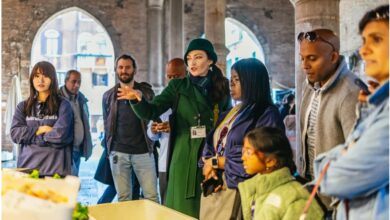
Walking food tours are the most popular way to explore Venetian cuisine, and for good reason. They combine eating with cultural context, taking you to markets, family-run shops, and traditional bacari (more on those below) that you’d never find on your own.
Most tours last 3-4 hours and include 6-8 tastings. You’ll try classic dishes like baccalà mantecato (whipped salt cod), sarde in saor (sweet-and-sour sardines), and risotto al nero di seppia (squid ink risotto). Guides explain why these dishes exist, how they connect to Venice’s maritime history, and what locals actually eat today.
Food tours work best for first-time visitors who want the full picture. You get context, insider access, and enough food that you can skip lunch. The social element helps too. Walking with a small group and a knowledgeable guide turns eating into storytelling.
For a full breakdown of routes, tastings, and top-rated options, see our detailed guide to the best Venice food tours.
The downside? Less flexibility. You’re following a set route, eating what’s planned, and staying with the group. If you’re a returning visitor or want deeper exploration, you might prefer something more specialized.
Best for: First-timers, cultural learners, people who like structure, anyone who wants to understand Venetian food in context.
Some travelers later move toward the more social bar-hopping style of Venice cicchetti tours for a deeper look at local drinking culture.
Wine Tours
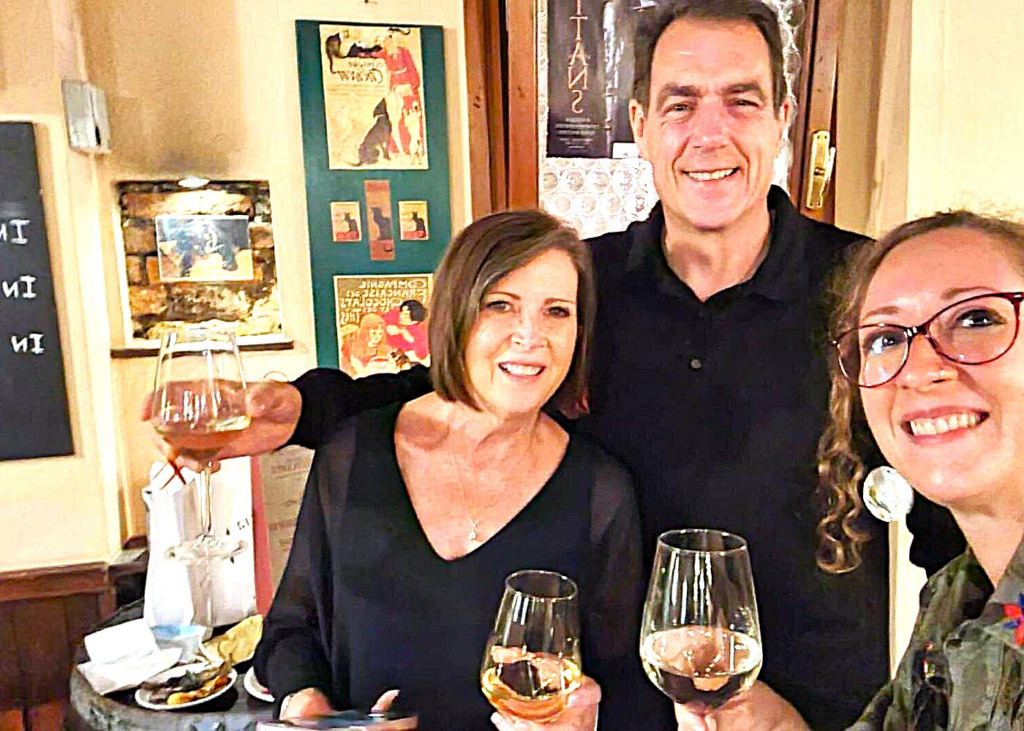
Veneto wine tours focus specifically on the region’s incredible wine production. And I’ll confess, I was skeptical at first. Wine tours in tourist cities can feel gimmicky.
But Veneto deserves serious attention. This region produces Prosecco, Soave, Valpolicella, and Amarone. Each has a distinct character tied to specific valleys and production methods. The best wine experiences explain these differences while you taste them.
Some tours stay in Venice, visiting historic wine bars and enotecas for guided tastings. Others venture into the countryside to actual vineyards in Valpolicella or the Prosecco hills (about 90 minutes away). Expect 4-6 wines paired with small bites that complement what you’re drinking.
Wine tours attract serious wine enthusiasts, couples looking for a romantic experience, and anyone who wants to understand Italian wine beyond Chianti. The pace is slower, more contemplative. Less about quantity, more about appreciation.
To compare tasting styles, vineyard visits, and the best experiences available, explore our complete guide to Venice wine tours.
Best for: Wine lovers, couples, people who’ve done the general food tour and want to go deeper, anyone planning to explore Veneto wine country.
If you prefer a more casual wine experience, the informal bar culture explored on traditional cicchetti tours offers a very different perspective.
Cicchetti Tours
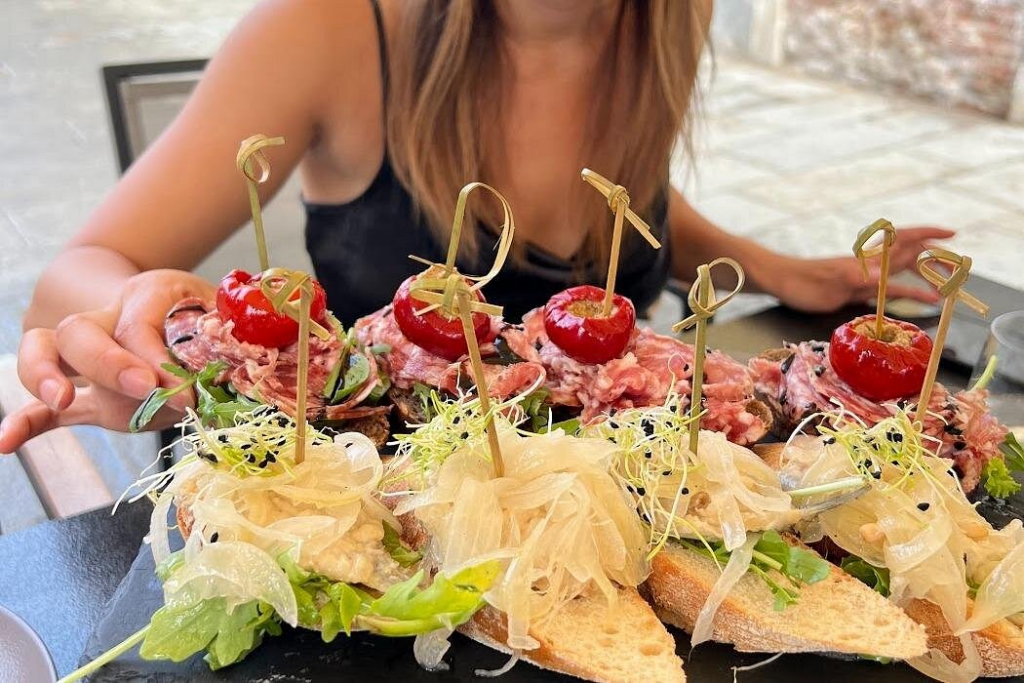
Now we’re talking about the most Venetian experience of all. Cicchetti tours are essentially progressive bar crawls through Venice’s bacari (traditional wine bars), where you eat small plates and drink local wine the way locals do.
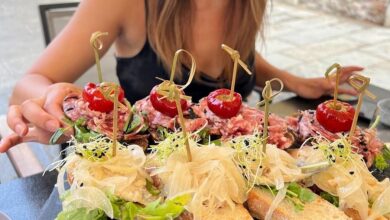
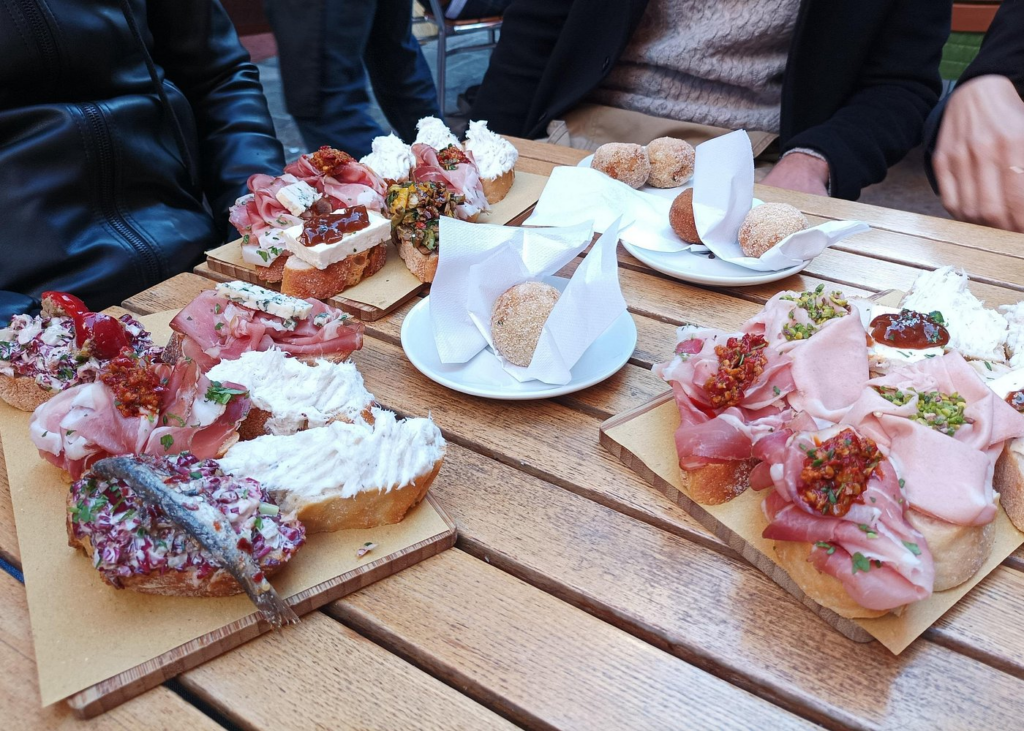
Cicchetti are small snacks served on bread or crackers. Think tiny open-faced sandwiches with toppings like creamy baccalà, marinated artichokes, or spicy salami. You order a few, grab a small glass of wine (an ombra), chat with neighbors at the bar, then move to the next spot.
What makes these tours special is the social rhythm. You’re standing at bars, not sitting at formal tables. You’re grazing, not dining. You’re drinking wine by the glass (small pours), sampling different styles. It feels authentic because it is. This is how Venetians eat before dinner.
For the best bacari routes, authentic stops, and how to choose the right experience, read our full guide to Venice cicchetti tours.
The best cicchetti tours hit 3-4 bacari in neighborhoods like Cannaregio or Dorsoduro, away from San Marco’s tourist traps. Guides explain the unwritten rules: how to order, what to pair, which bacari specialize in seafood versus meat.
Fair warning: this isn’t a full meal. You’ll taste plenty, but it’s grazing-level food. The real value is cultural immersion and drinking really good wine in atmospheric spots that smell like centuries of spilled Valpolicella.
Best for: Social eaters, wine drinkers, people who want authentic local culture, anyone who prefers casual over formal, evening explorers.
Many visitors start with broader Venice food tours before diving into the more local, social rhythm of bacari culture.
Cooking Classes
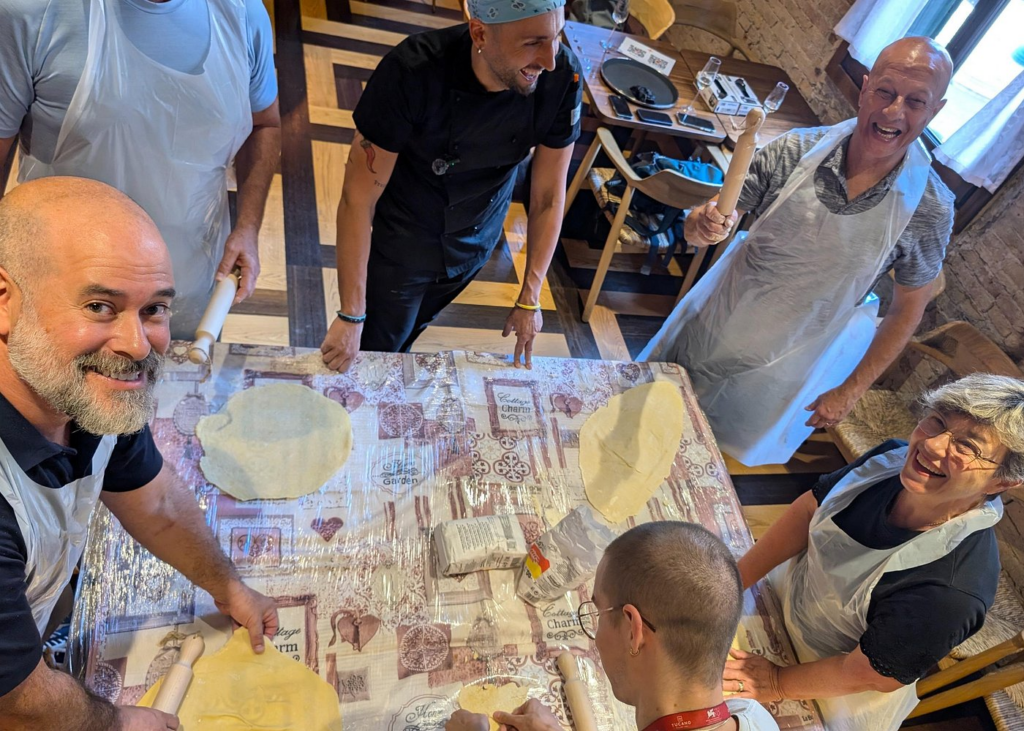
Here’s where you stop watching and start doing. Venice cooking classes put you in a kitchen, usually in someone’s home or a small culinary school, making traditional Venetian dishes from scratch.
Most classes run 3-5 hours. You start at Rialto Market, selecting ingredients with your instructor. Then you head to the kitchen to make 3-4 dishes. Expect pasta (fresh tagliatelle or bigoli), risotto, seafood, and maybe tiramisu. You eat what you cook, paired with local wine.
The instructors are typically Venetian home cooks or professional chefs who actually know the traditional methods. They’ll show you why Venetian pasta is different, how to make proper fish broth, and the secret to creamy risotto without cream (it’s all about the stirring).
Cooking classes work brilliantly for hands-on learners, couples, and anyone who wants skills they can recreate at home. You leave with recipes, techniques, and a much deeper appreciation for why Italian cooking is about quality ingredients and simple preparation.
To compare hands-on experiences, market-to-table classes, and top-rated options, see our guide to Venice cooking classes.
The trade-off is time. Half a day minimum. And you’re working, not just tasting. But honestly? Kneading dough while chatting with a Venetian grandmother about her family’s recipe beats another museum tour any day.
Best for: Hands-on learners, home cooks, couples, people with time, anyone who wants to understand technique, cultural enthusiasts.
Pairing a class with earlier food tours in Venice often helps travelers better understand ingredients and traditions before cooking them.
Private Food & Wine Experiences
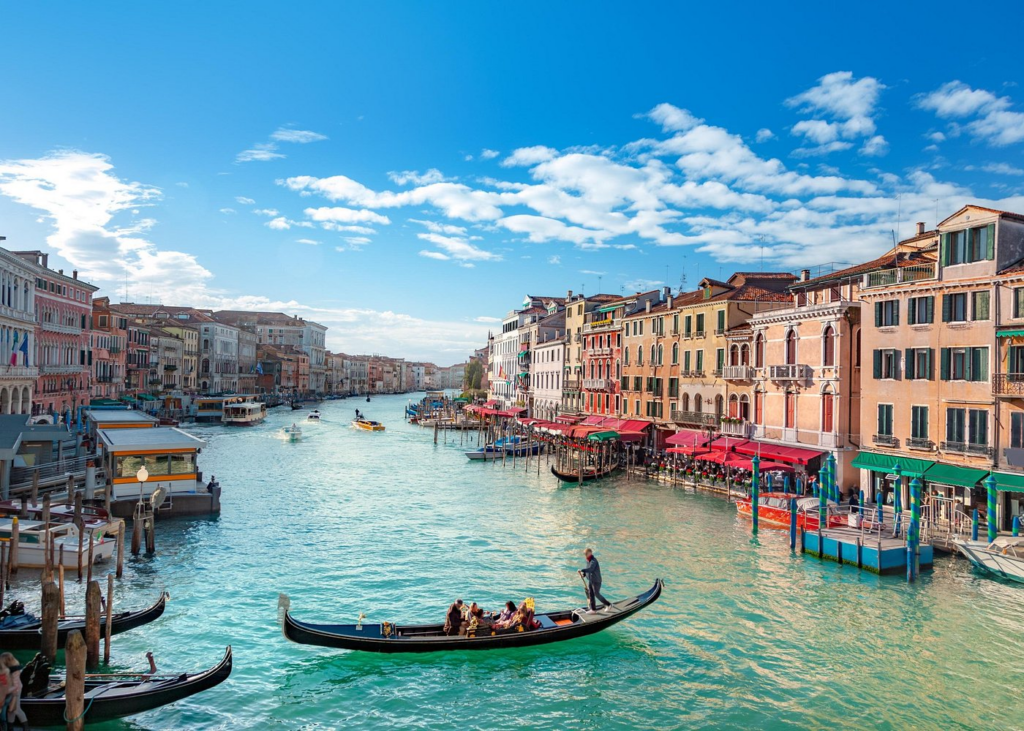
Private experiences are the customizable option. You work with a local guide to design exactly what you want: markets, specific restaurants, wine bars, artisan producers, or neighborhood exploration.
These experiences can focus entirely on food, entirely on wine, or blend both. Want to explore Jewish Ghetto bakeries? Done. Interested in lagoon fishing traditions and seafood restaurants? Arranged. Curious about natural wine bars in Castello? Your guide knows three.
The obvious advantage is flexibility. You set the pace, choose the focus, and adjust on the fly. If you fall in love with a particular wine, you stay longer. If something doesn’t interest you, you move on. No waiting for the group.
Private tours cost significantly more (usually 2-3x group tours), but for returning visitors, food professionals, or people with specific interests, they’re worth every euro. You get depth instead of breadth, conversation instead of presentation.
For customized experiences, pricing comparisons, and the best private options, explore our guide to private Venice food and wine tours.
Best for: Returning visitors, serious food/wine enthusiasts, people with specific interests, couples or small groups, anyone who wants conversation not lecture, flexible travelers.
Private experiences are often chosen after group options such as Venice wine tours or cicchetti experiences.
How To Choose The Right Experience
Let’s get practical. Here’s how to actually decide.
First-time in Venice? Start with a general food tour. You need the cultural context and neighborhood orientation before specializing. These tours explain why Venetian food is different and help you understand what you’re tasting the rest of your trip.
Returning visitor? Skip the intro-level tours. Go for cicchetti experiences, wine-focused tours, or private explorations. You already know the basics. Now you can dig deeper into specific elements that interest you.
Food-focused or wine-focused? Be honest about what excites you more. If wine is your passion, don’t waste time on a general food tour. Book a wine experience or head to Valpolicella vineyards. If you’re more interested in culinary traditions, cooking classes or private food tours deliver better value.
Cultural learning or hands-on experience? Food tours and cicchetti tours teach you about culture through observation and tasting. Cooking classes teach through doing. Both are valuable, but they’re completely different learning styles.
Social or private? Group tours (food tours, cicchetti tours) connect you with other travelers and create spontaneous moments. Private experiences give you space for deeper questions and personal conversation. Consider what energy level you want.
Time available? Quick answer: cicchetti tours (2-3 hours), food tours (3-4 hours), cooking classes (4-5 hours), wine country tours (full day). Match the experience to your schedule, not the other way around.
Quick Comparison Table
| Experience | Best For | Style | Duration | Social vs Private |
|---|---|---|---|---|
| Food Tours | First-timers, cultural context | Walking + tasting | 3-4 hours | Small group |
| Wine Tours | Wine enthusiasts, serious learners | Tasting focused | 3-4 hours (city) / Full day (vineyards) | Small group |
| Cicchetti Tours | Authentic local culture, casual vibe | Bar hopping | 2-3 hours | Small group |
| Cooking Classes | Hands-on learners, home cooks | Interactive learning | 4-5 hours | Small group |
| Private Tours | Custom interests, deep exploration | Fully flexible | Your choice | Private |
When To Book & Timing
Venice food and wine experiences run year-round, but timing matters more than you’d think.
Best seasons: April-June and September-October offer the ideal combination. Perfect weather for walking, seasonal ingredients at markets, and manageable crowds. Spring brings artichokes (a Venetian obsession) and fresh peas. Fall delivers mushrooms, game, and new wine.
Summer (July-August) is hot, crowded, and honestly kind of miserable for walking tours. Locals leave the city, some traditional restaurants close, and you’re sharing the Rialto Market with cruise ship masses. If you must visit in summer, book early morning experiences before the heat peaks.
Winter (November-March) is underrated for food lovers! Fewer tourists mean more attention from guides and easier restaurant access. You’ll taste heartier dishes (polenta, stews, braised seafood) that don’t appear in summer. The trade-off is shorter daylight and occasional acqua alta (flooding).
Booking windows: Popular Venice culinary experiences fill up fast, especially during peak season. Book 2-4 weeks ahead for spring and fall. Summer requires even more advance planning. Winter offers more last-minute availability.
Seasonal specialties: Soft-shell crabs (moeche) appear briefly in spring and fall. White asparagus shows up in April. Radicchio season runs November-February. Ask your guide about seasonal timing when booking.
Practical Booking Tips
A few things I wish someone had told me before my first Venice food experience:
Group size matters. Smaller groups (6-10 people maximum) mean better access to cramped bacari, more interaction with guides, and easier navigation through Venice’s narrow streets. Avoid tours with 15+ people. You’ll spend half the time waiting for everyone to catch up.
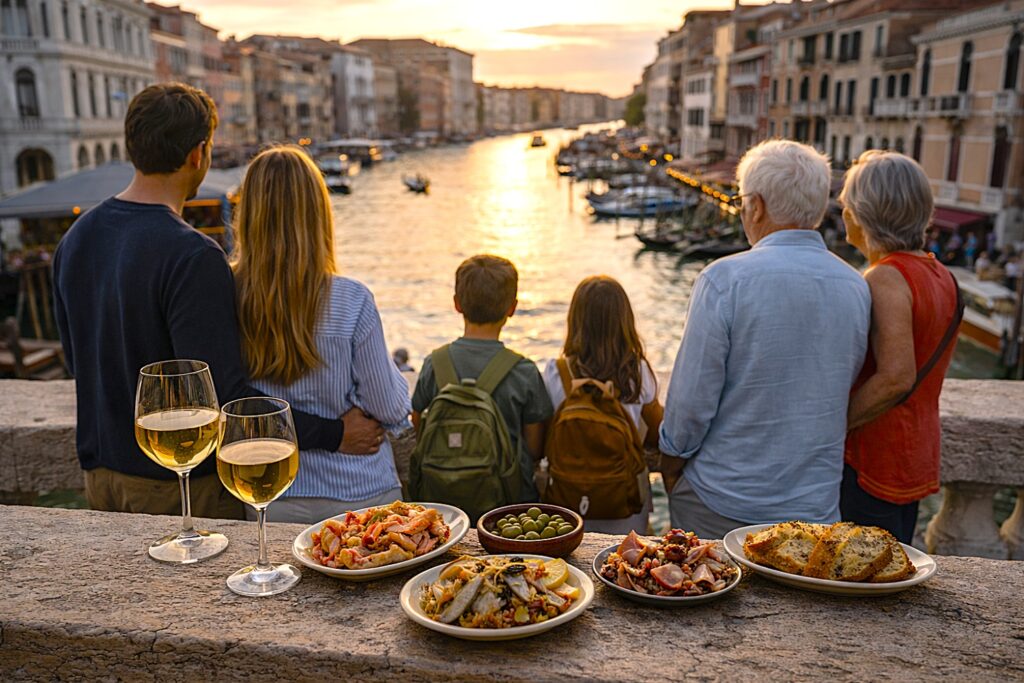
Morning versus evening. Morning tours include market visits when everything is fresh and active. Evening tours capture Venice’s magical golden hour light and the local aperitivo culture. Both work, but evening feels more romantic and social.
Food and wine balance. Most Venice food and wine tours lean heavily toward food with wine as accompaniment. If you want serious wine education, specifically book wine-focused experiences or clarify the ratio when booking.
Avoiding tourist traps. The single best indicator of quality is where the tour goes. Experiences that stay around San Marco and Rialto Bridge are playing to tourists. Look for tours that venture into Cannaregio, Castello, or Dorsoduro where locals actually live and eat.
Value of local guides. Venetian guides (especially those who grew up in the city) provide completely different insights than transplants or generic tour operators. They know family stories behind restaurants, unwritten bacari etiquette, and seasonal changes in what’s available. Ask about guide background when booking.
Dietary restrictions. Venice is seafood-heavy. If you’re vegetarian or have allergies, mention this when booking. Most quality experiences can accommodate, but they need advance notice. Don’t expect flexibility on the day-of.
Frequently Asked Questions
Which Venice food experience is best for first-time visitors?
Food tours are usually the best starting point.
General walking food tours combine cultural education with tastings across multiple neighborhoods. You’ll visit markets, traditional shops, and local bacari while guides explain the historical context behind what you’re eating. This gives you the foundation to explore independently later.
First-timers benefit from the orientation aspect too. You’ll learn neighborhood layouts, pick up insider tips about where locals eat, and understand Venetian food culture beyond just tasting dishes.
Are Venice wine tours worth it if I’m not a wine expert?
Absolutely, and you don’t need expertise to enjoy them!
The best wine tours welcome beginners and explain everything in accessible language. You’ll learn why Veneto wines taste different from Tuscan or Piedmont bottles, how to identify quality Prosecco versus the cheap stuff, and what food pairings actually work.
Even casual wine drinkers leave these experiences with new appreciation. The key is choosing tours that focus on education and enjoyment rather than pretentious wine snobbery.
What’s the difference between cicchetti tours and food tours?
Cicchetti tours are more casual, social, and bar-focused.
Food tours take you to multiple locations (markets, bakeries, restaurants) with sit-down tastings and cultural explanations. Cicchetti tours specifically explore Venice’s bacari (wine bars), where you stand at the bar, eat small plates, and drink wine by the glass.
The experience feels completely different. Food tours are structured learning. Cicchetti tours are social immersion. You’re doing what Venetians do every evening: bar hopping for snacks and wine before dinner.
Think of it this way: food tours teach you about Venetian cuisine. Cicchetti tours teach you how Venetians socialize around food and wine.
How much do Venice cooking classes cost?
Expect to pay €80-150 per person for quality classes.
Price varies based on group size, location, and what’s included. Classes with market tours cost more than kitchen-only sessions. Private classes for couples run €200-300 total. Half-day classes with 4-course meals are pricier than shorter pasta-making sessions.
The cost includes ingredients, instruction, wine, and the meal you prepare. When you compare that to a mid-range restaurant meal plus a separate tour, cooking classes offer solid value, especially for the hands-on experience and recipes you take home.
Can I book Venice food tours last-minute?
Sometimes, but don’t count on it during peak season.
Popular Venice culinary experiences fill up weeks in advance, especially April-June and September-October. Summer books solid too despite the heat. You might find last-minute availability for less popular time slots (early morning, weekdays in winter).
Your best strategy is booking 2-4 weeks ahead. If you’re flexible on dates and times, you’ll have more options. But if you have your heart set on a specific experience at a specific time, book as early as possible.
Last-minute spots occasionally open from cancellations. Check tour operators directly or call the day before to ask about openings.
Are private food tours worth the extra cost?
For the right travelers, private tours deliver exceptional value.
You pay 2-3x more than group tours, but you get completely customized experiences. Want to focus on seafood restaurants in Castello? Done. Interested in Jewish Ghetto bakeries and Venetian-Jewish cuisine? Your guide designs it. Passionate about natural wine? They know the best enotecas.
Private tours work brilliantly for returning visitors who’ve done the standard experiences, couples celebrating special occasions, food professionals, or anyone with specific dietary needs or interests. The depth of conversation and flexibility justify the premium.
If it’s your first Venice visit and you want a general introduction, group tours are perfectly fine and cost-effective.
What should I eat before a Venice food tour?
Light breakfast or nothing at all!
Most food tours include substantial tastings equivalent to a full meal. Arrive genuinely hungry so you can enjoy everything without forcing it. A small coffee and maybe a pastry in your hotel is plenty.
Some tours specifically start at markets or bakeries where fresh pastries are part of the experience. Showing up already full means missing half the tasting opportunities and honestly wasting your money.
Save your appetite. You’ll need it for bacalà, cicchetti, risotto, fresh pasta, seafood, and whatever else your guide has planned. Trust me on this!
Venice Food and Wine Tours
Venice reveals itself through its food culture in ways that museums and gondola rides never will. Whether you choose walking food tours, wine tastings, cicchetti bar hopping, or hands-on cooking classes, you’re learning how this impossible city has fed itself for over a thousand years.
The right experience depends on your travel style, interests, and how deep you want to go. First-timers benefit from structured food tours that provide context. Returning visitors can specialize in wine, cooking techniques, or neighborhood-specific exploration.
Whatever you choose, book ahead, show up hungry, and ask questions. Venetian food culture rewards curiosity. And honestly? The best meal I had in Venice wasn’t at a Michelin restaurant. It was standing at a bacaro bar in Cannaregio, eating creamy baccalà on toasted bread, drinking a small glass of local white wine, and chatting with the owner about why his family has run the same place for four generations.
That’s what these experiences give you. Not just food, but connection to the city’s living culture.
This guide helps you choose the Venice food and wine tours that best match your interests, schedule, and curiosity. For specific recommendations and detailed reviews see the articles:
- Venice Food Tours – walking tours and cultural tastings
- Venice Wine Tours – Veneto wine experiences and vineyard visits
- Venice Cicchetti Tours – bacari bar hopping guides
- Venice Cooking Classes – hands-on culinary experiences
- Venice Private Tours – customized food and wine exploration
- Venice Food & Wine Culture Guide – complete cultural overview